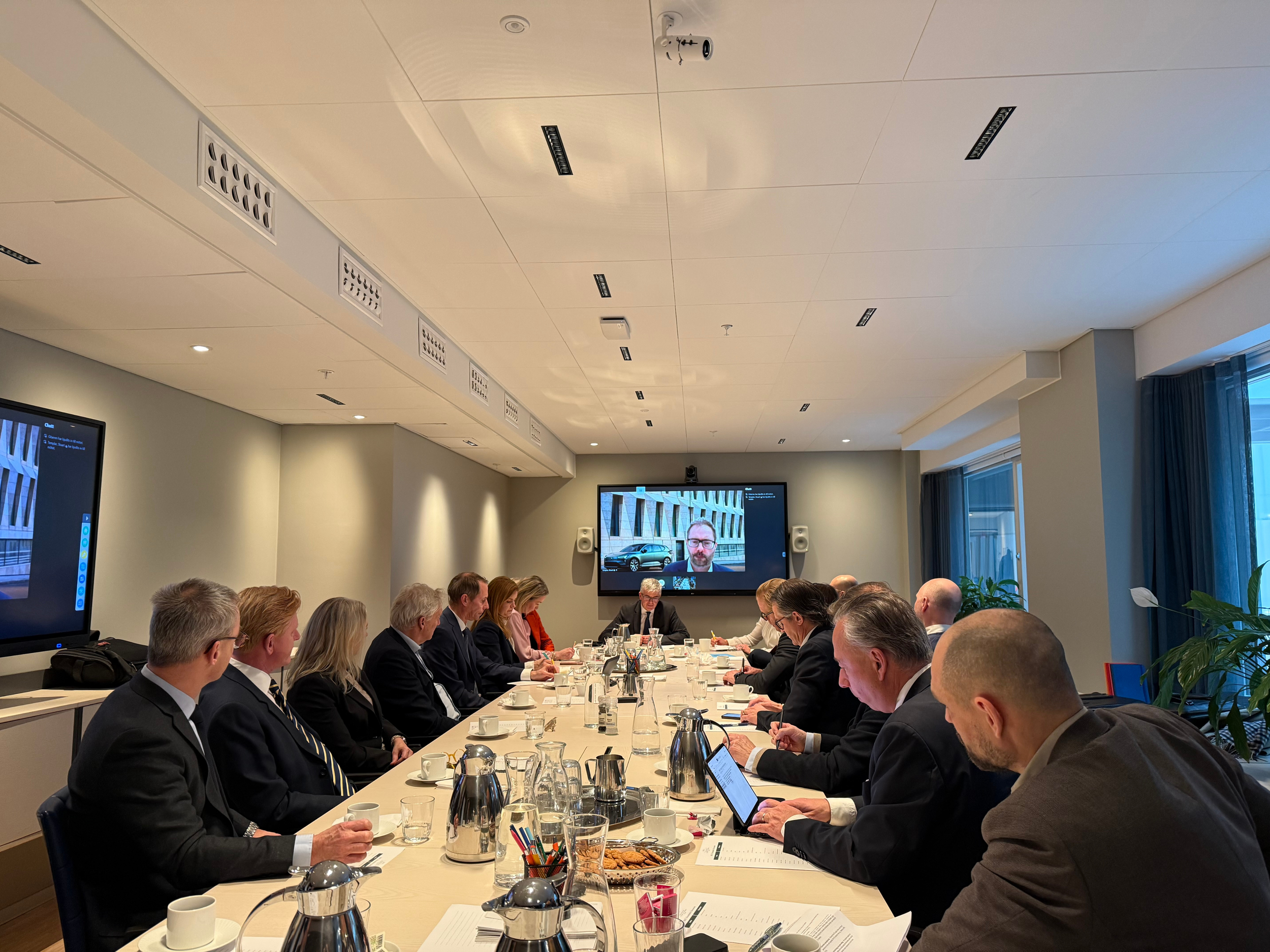
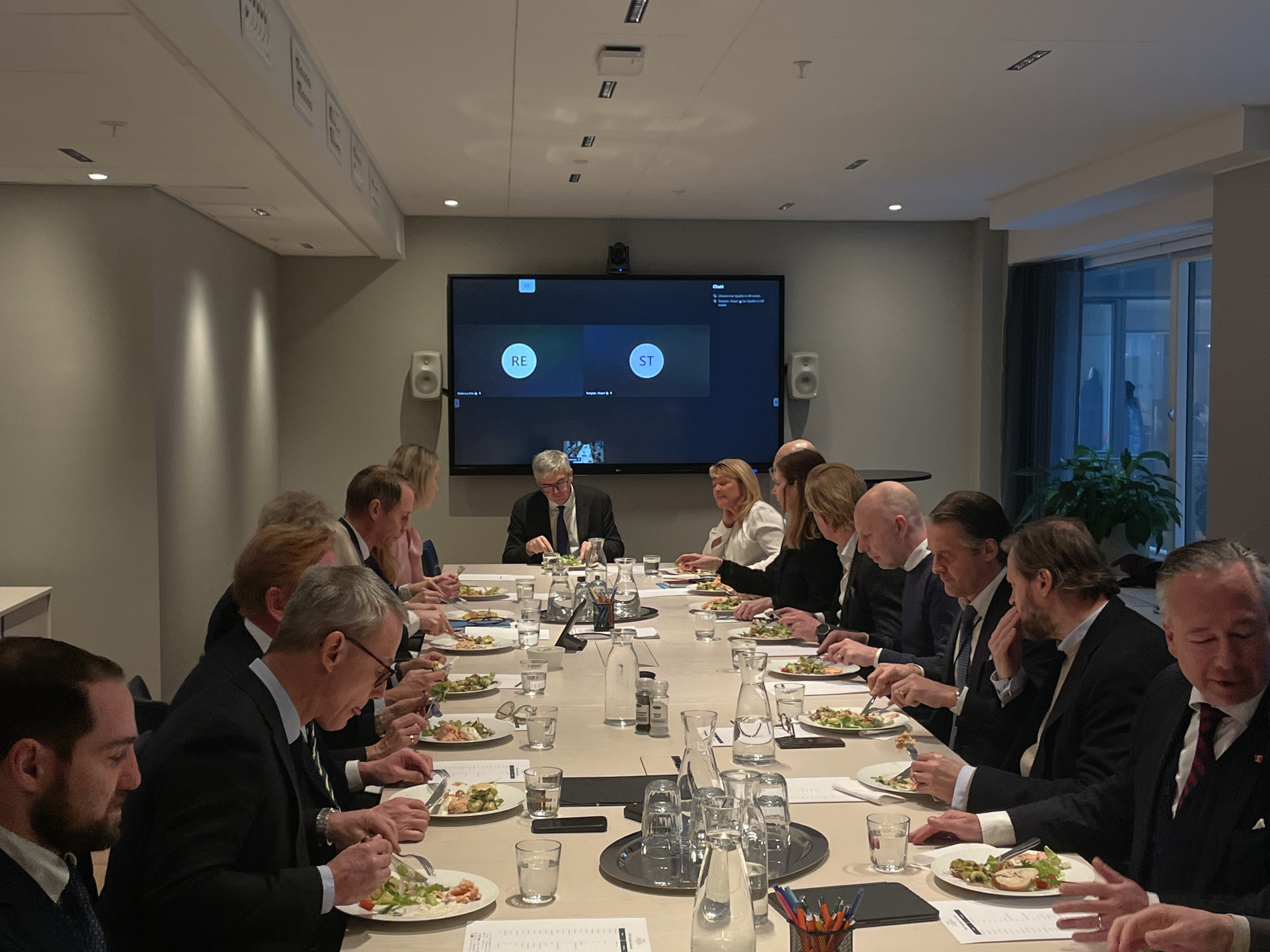
Roundtable Lunch Discussion - Michael Ellam
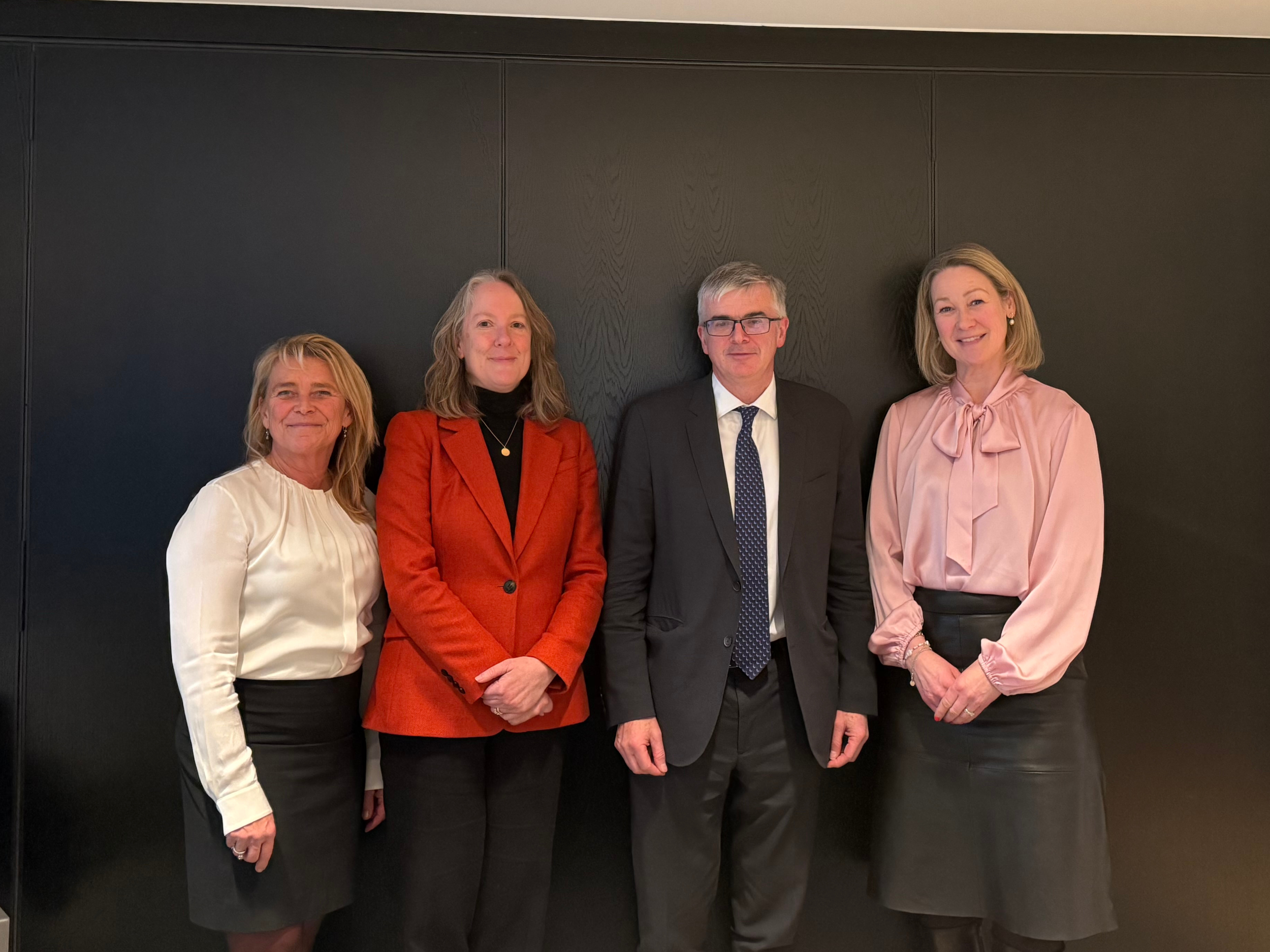
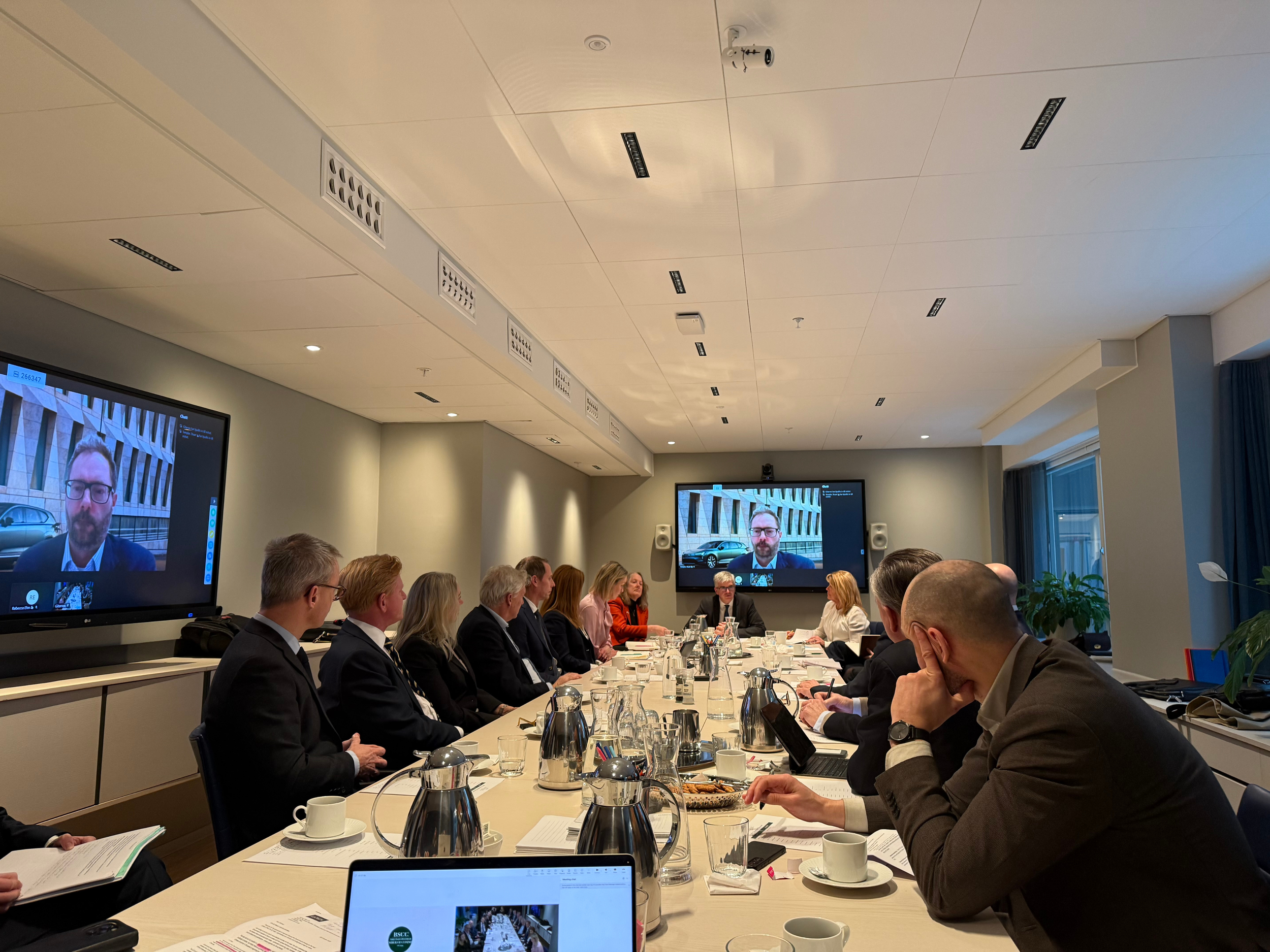
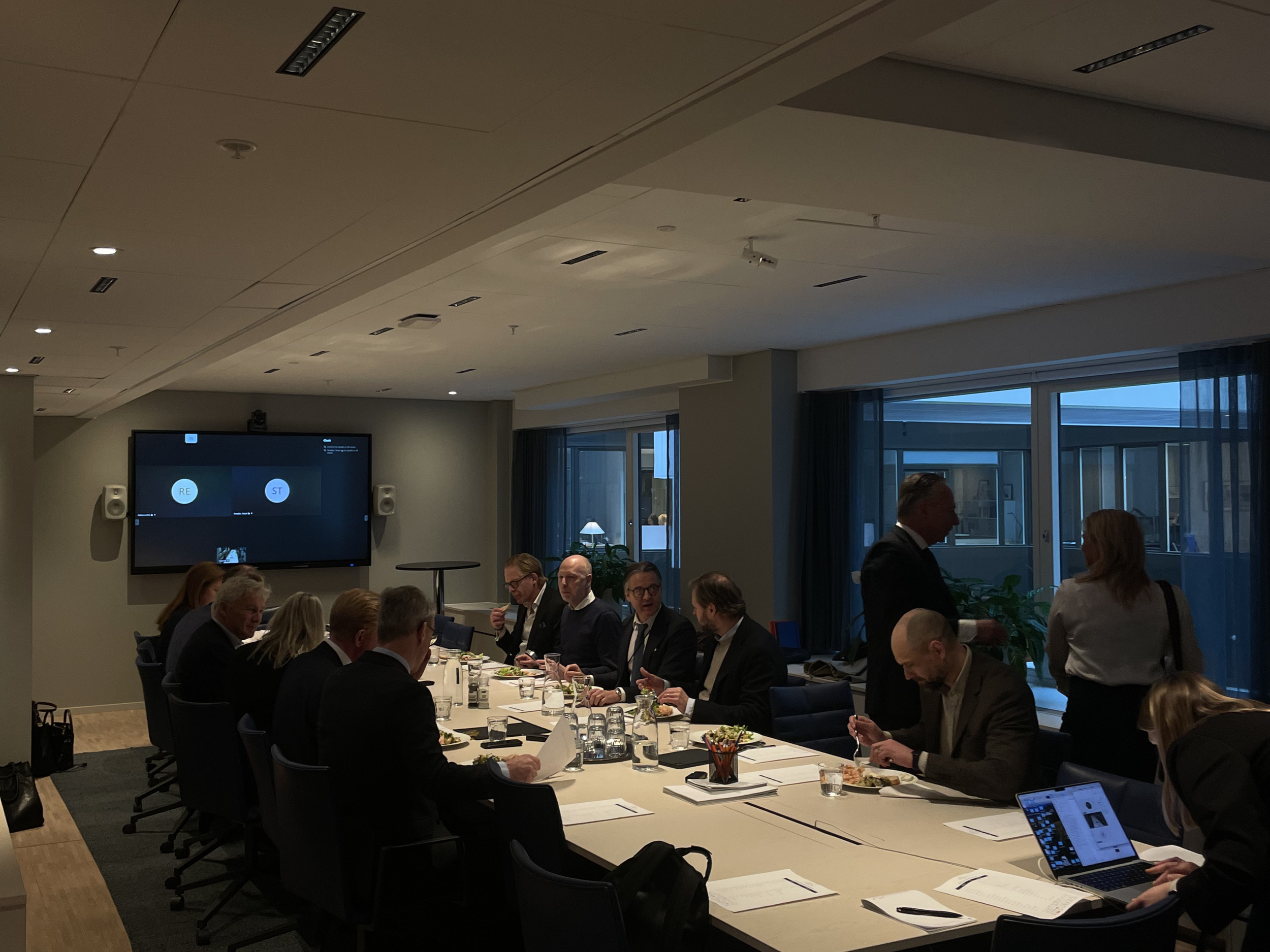
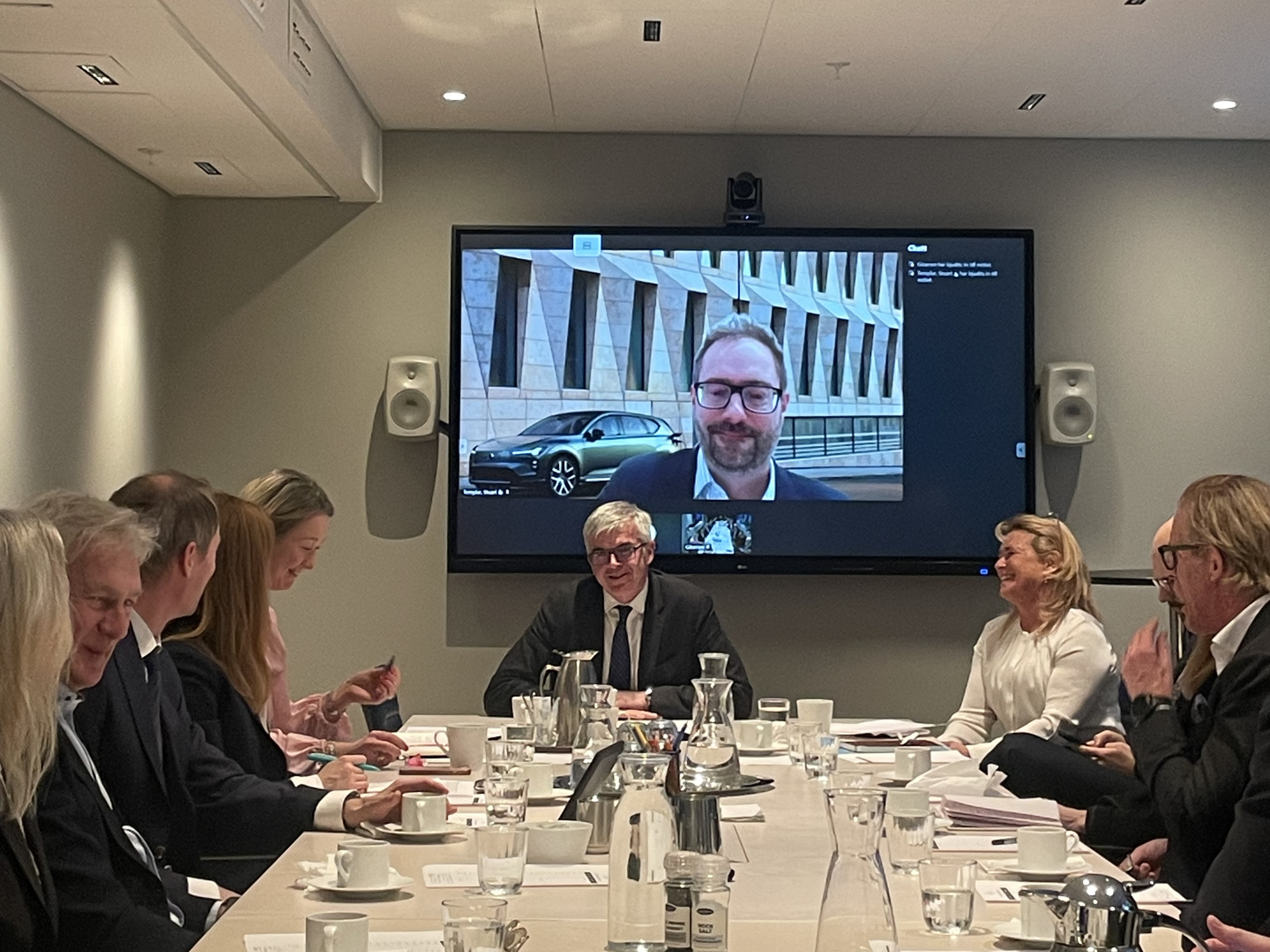
At our recent lunch event, we had the pleasure of welcoming Michael Ellam, Second Permanent Secretary, Head of European and International Economic Affairs, Cabinet Office, UK Government and H.E Samantha Job CMG MVO for a discussion on the evolving relationship between the UK and the EU.
The conversation focused on the UK’s current position: while there are no ambitions to rejoin the European Union, there is an expressed interest in developing a closer customs and mobility relationship. Recent developments were described as having helped establish a more “normal” relationship — viewed as a constructive step forward.
Three key areas were identified as central to the next phase of UK–EU relations. First, security cooperation, with an emphasis on reducing fragmentation and strengthening collaboration, particularly considering broader geopolitical shifts. Second, the economic relationship, including sanitary and phytosanitary (SPS) arrangements, cross-border flows, and efforts to minimize checks and tariffs to facilitate smoother trade. Third, energy and electricity cooperation in the North Sea region, where stability and regulatory clarity were highlighted as important for rebuilding trust.
A more detailed discussion followed on rules of origin and supply chains. Businesses raised concerns about how rules of origin requirements can create administrative burdens and additional costs, particularly for industries with complex cross-border production structures. While the UK faces many of the same global supply chain pressures as other economies, questions were raised about how greater regulatory alignment and pragmatic solutions could reduce friction and safeguard competitiveness. Participants emphasized the importance of addressing these issues proactively to prevent unintended consequences for European industry as a whole.
Questions also covered the UK’s potential participation in European security arrangements, NATO cooperation, stakeholder engagement, public procurement, and the long-term stability of current political directions. A recurring theme throughout the discussion was the need to avoid new trade barriers, maintain open markets, and move from overdependence toward greater interdependence in transatlantic and European cooperation.
The event concluded with reflections on navigating a shifting global order through pragmatic collaboration and sustained business dialogue.
We want to thank the British Embassy for the opportunity to have this discussion and a huge thank you to Eversheds Sutherland for hosting us.