Sweden’s New Political Landscape: Implications for Business and Investment
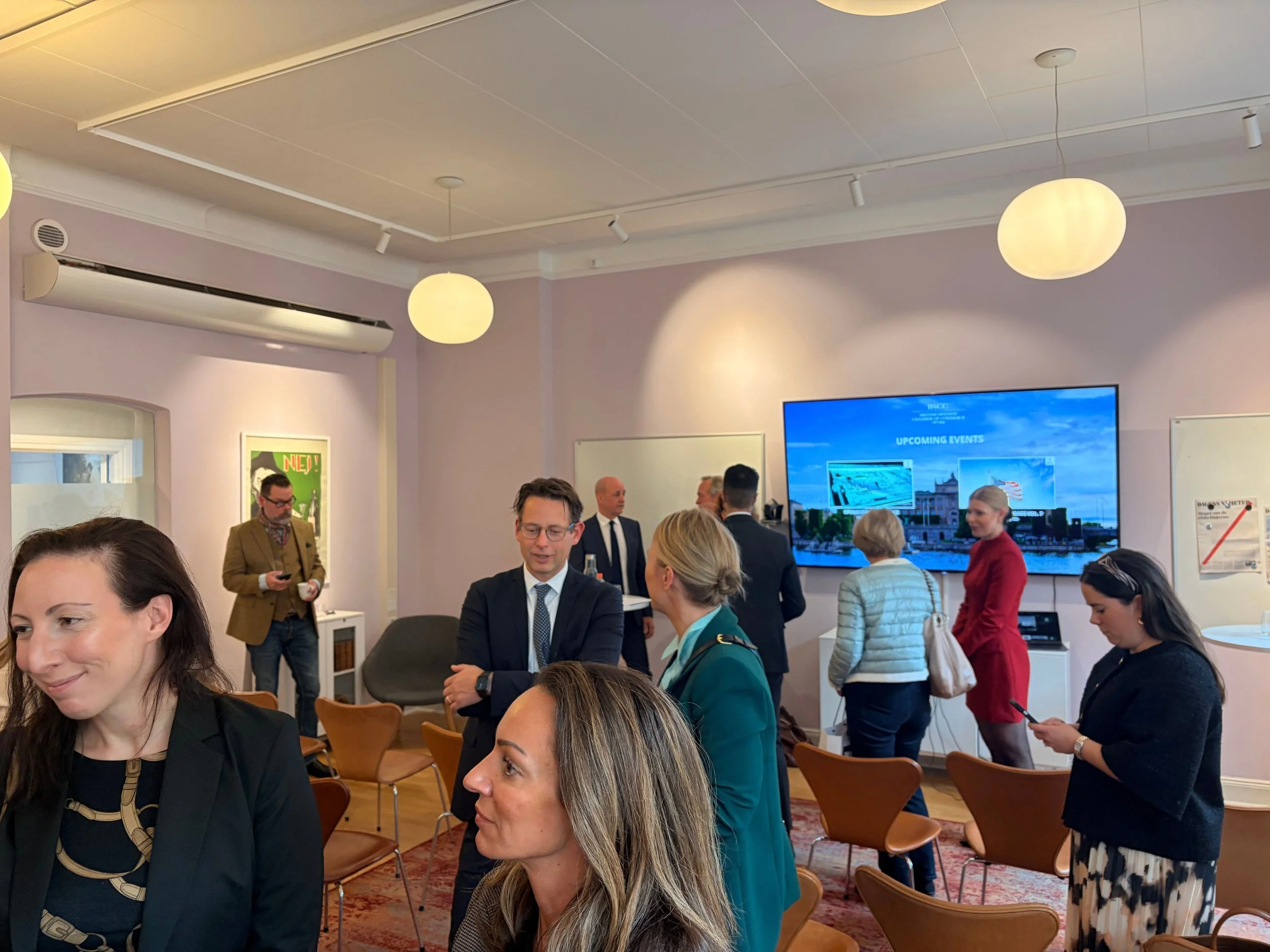
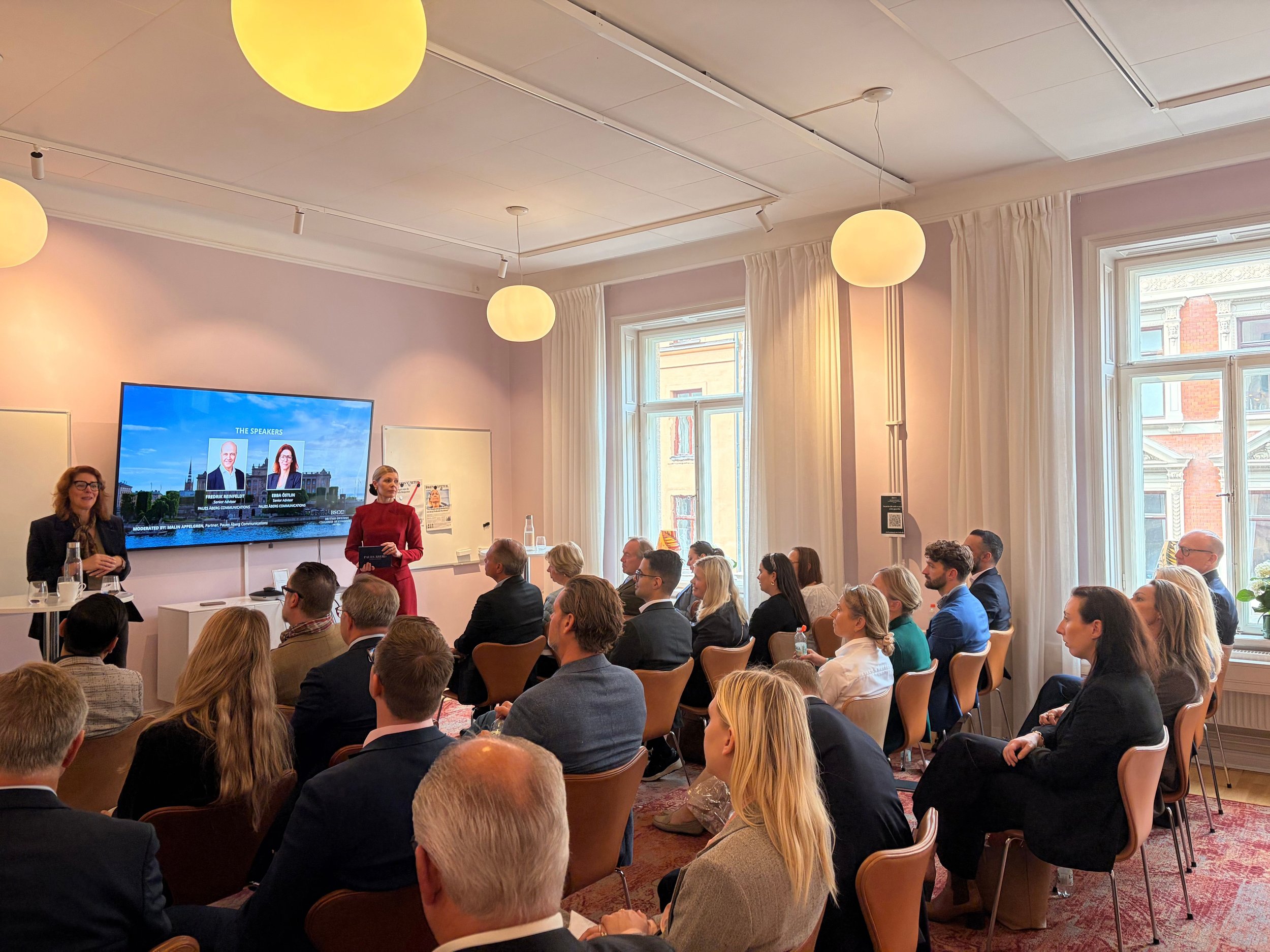
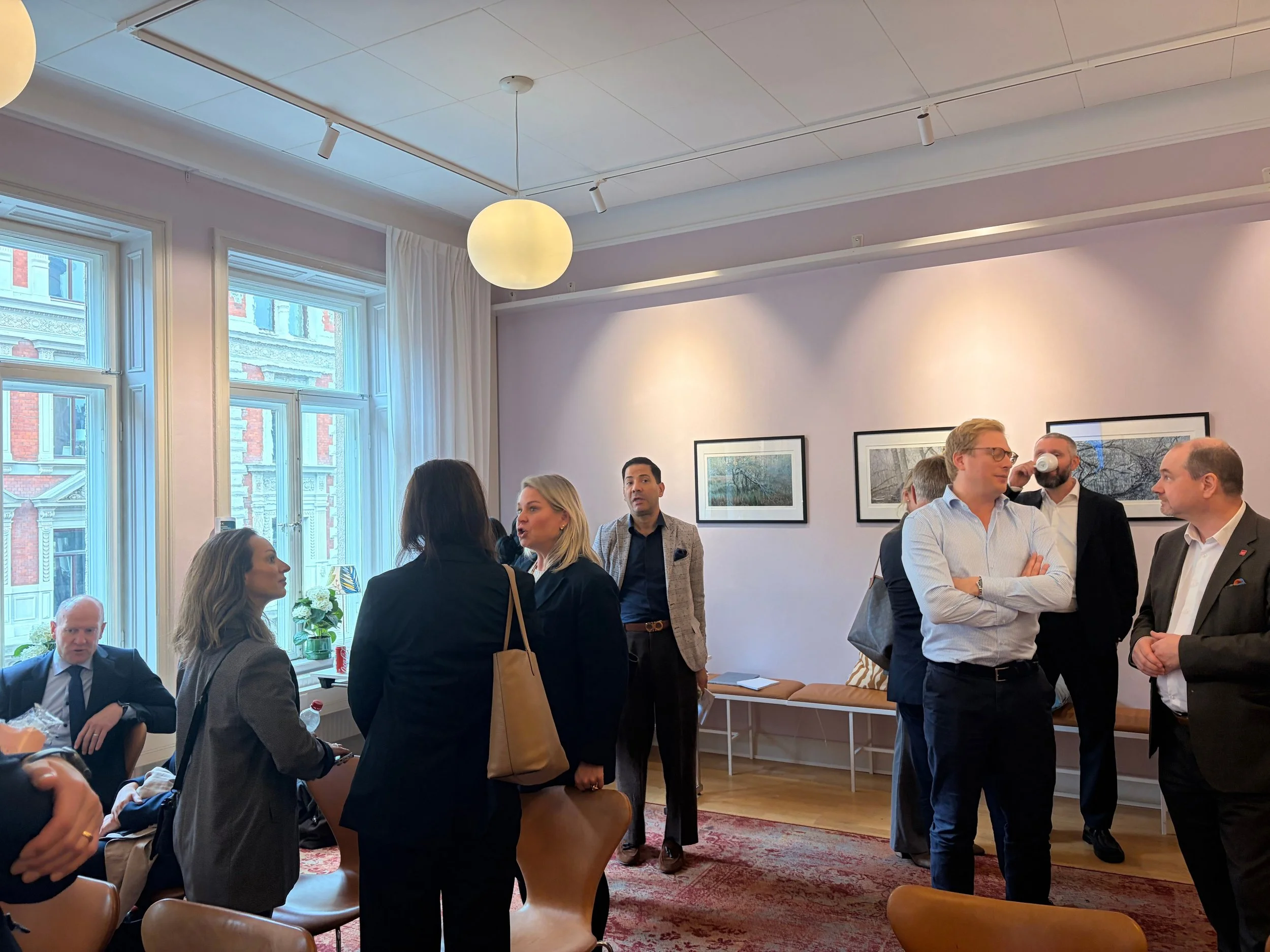
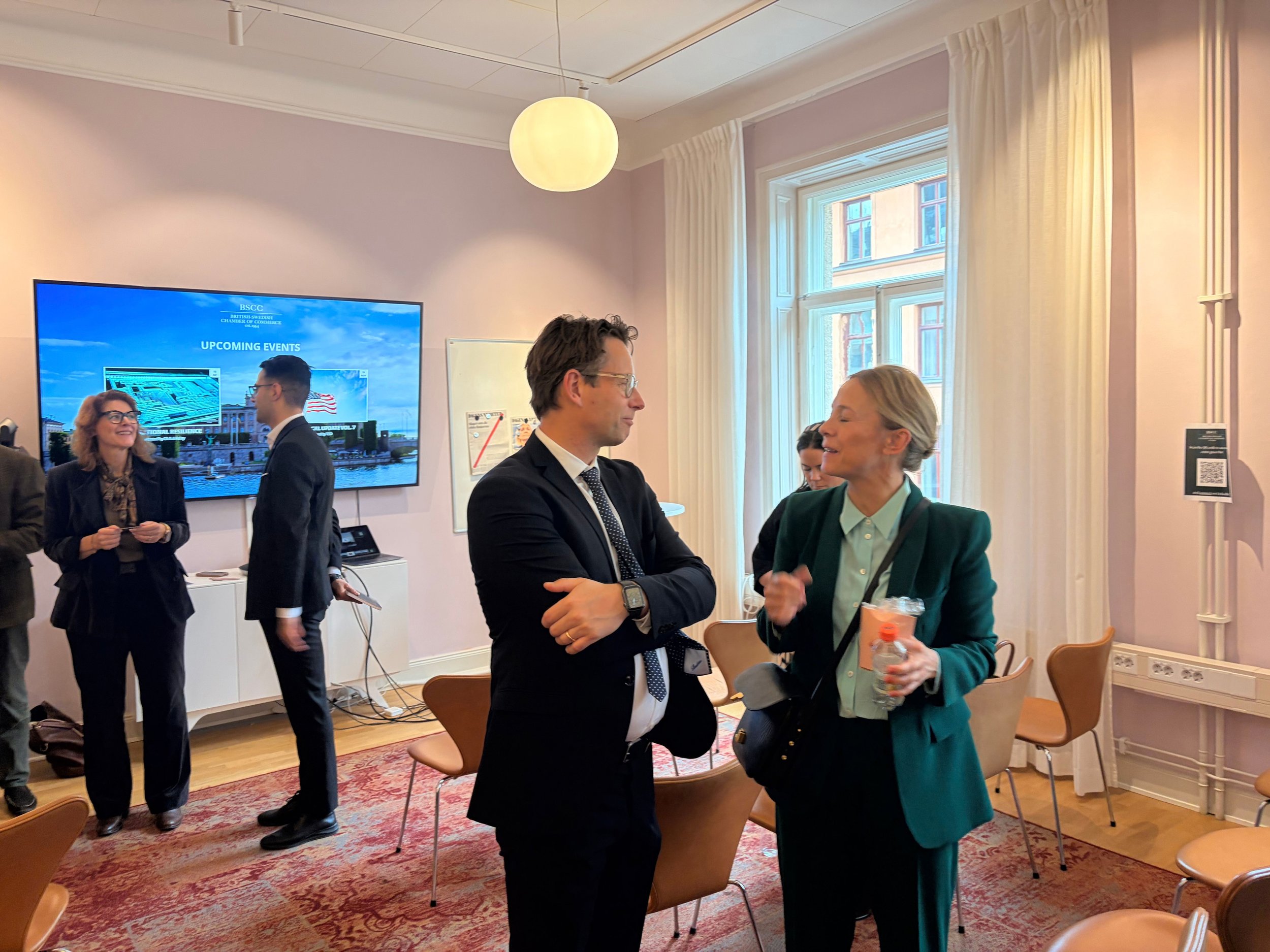
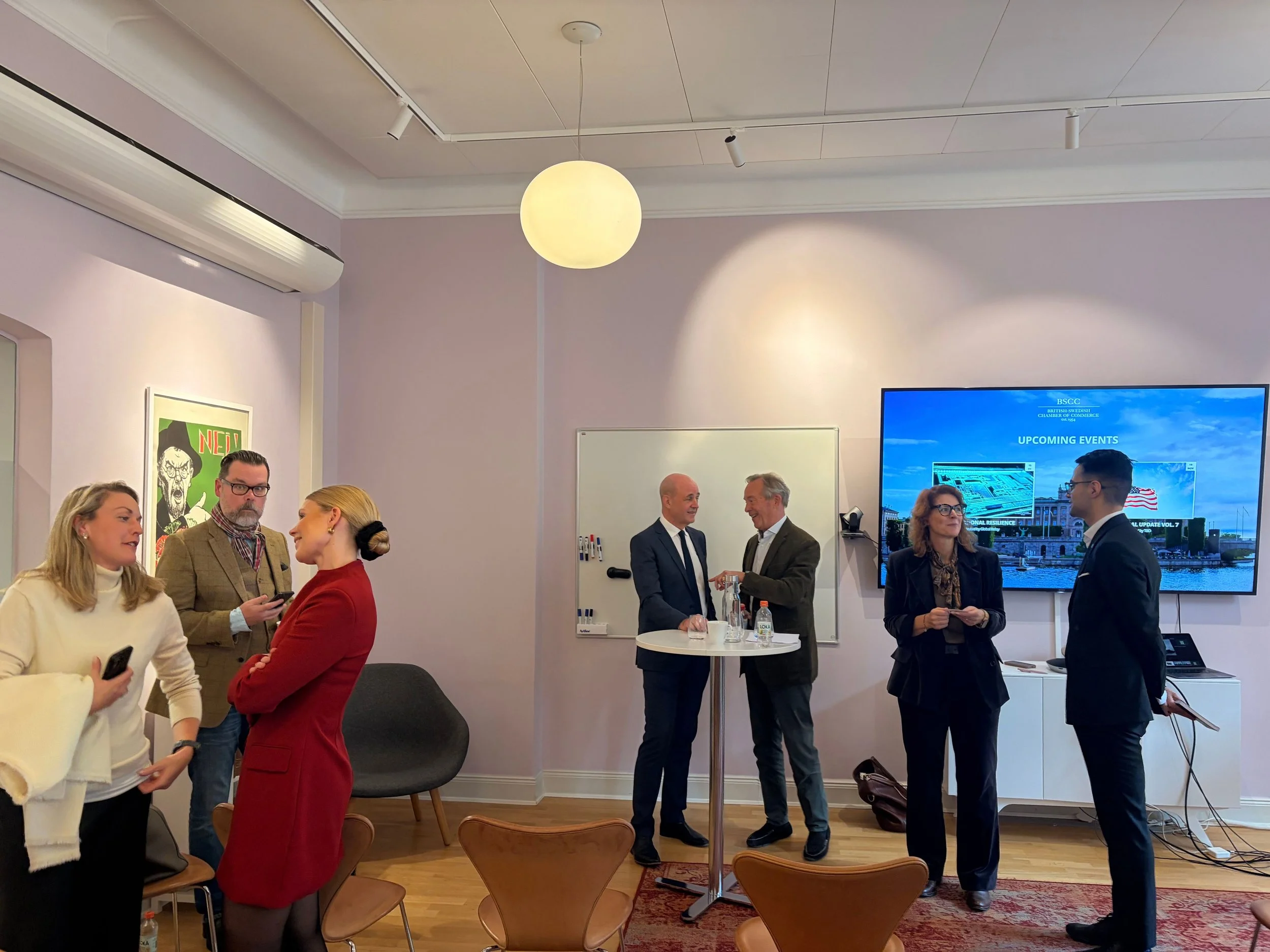
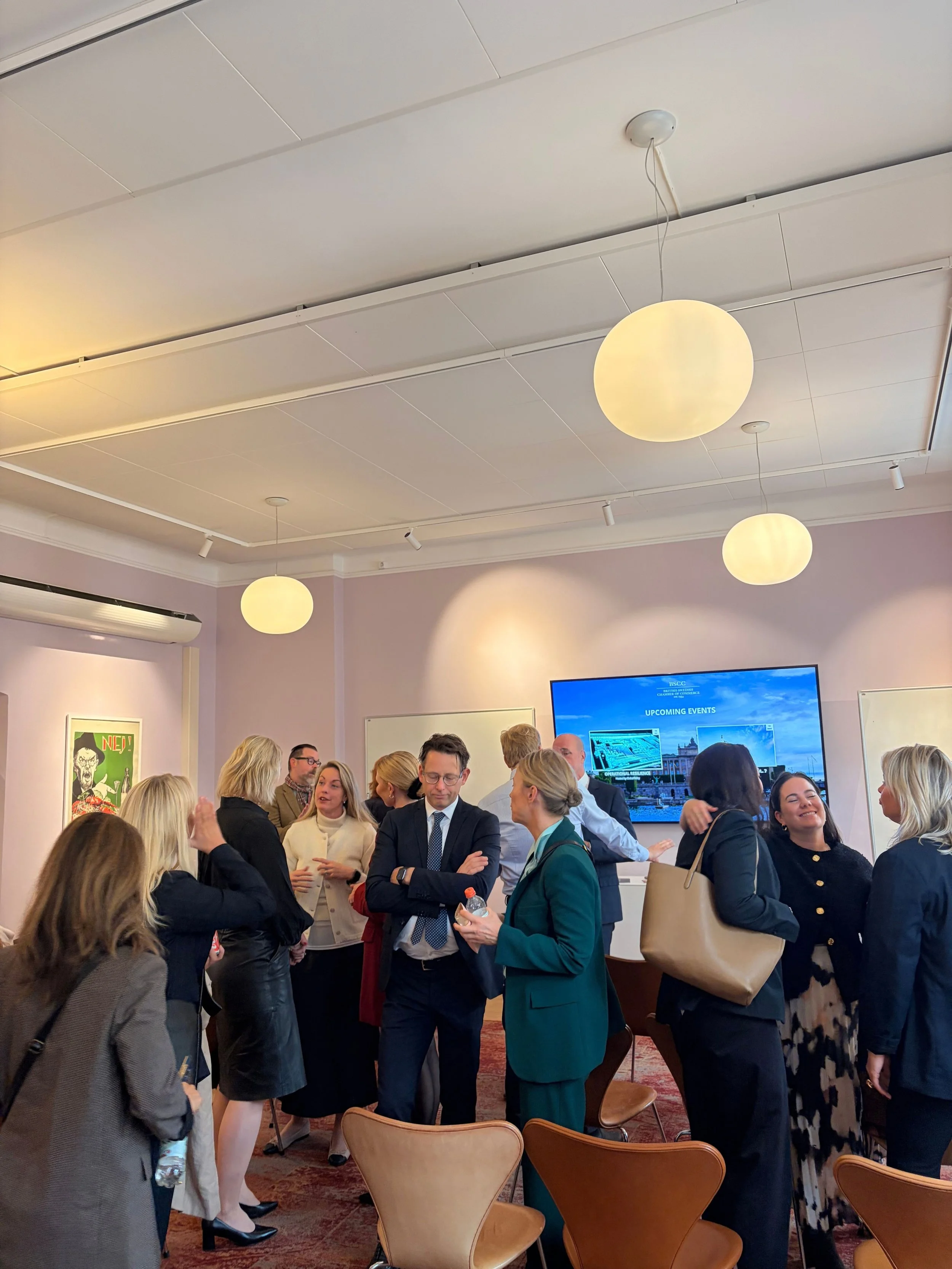
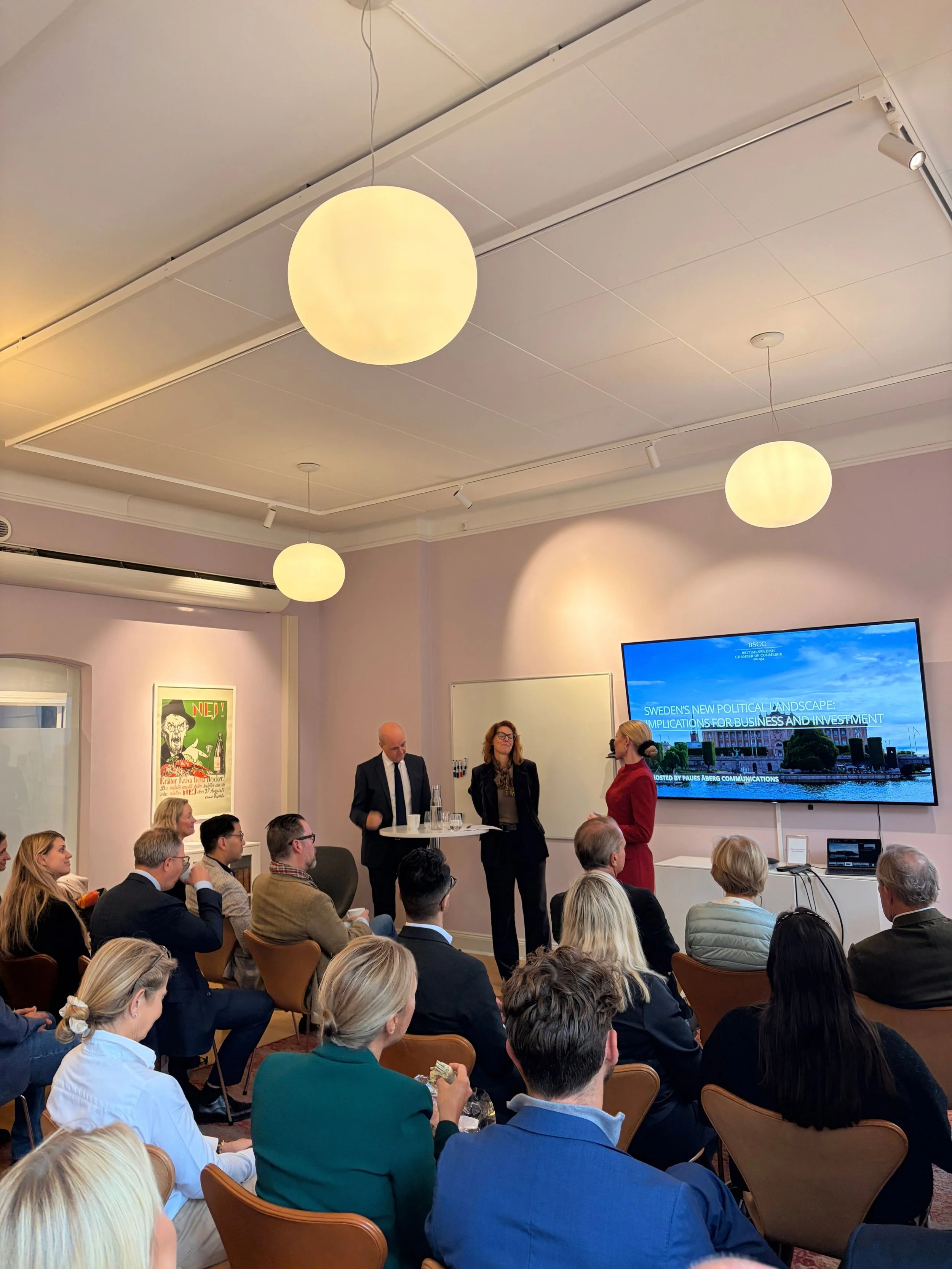
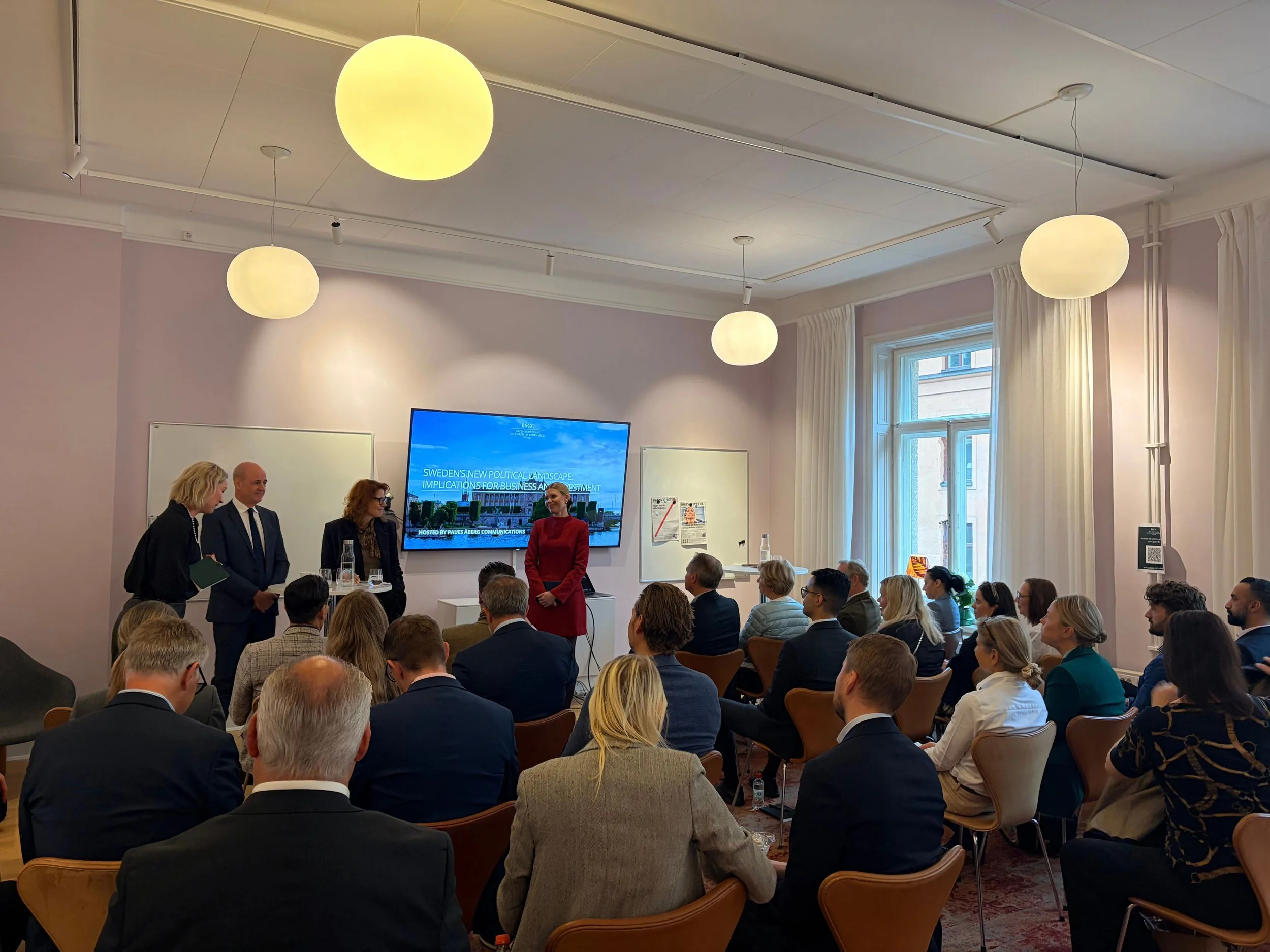
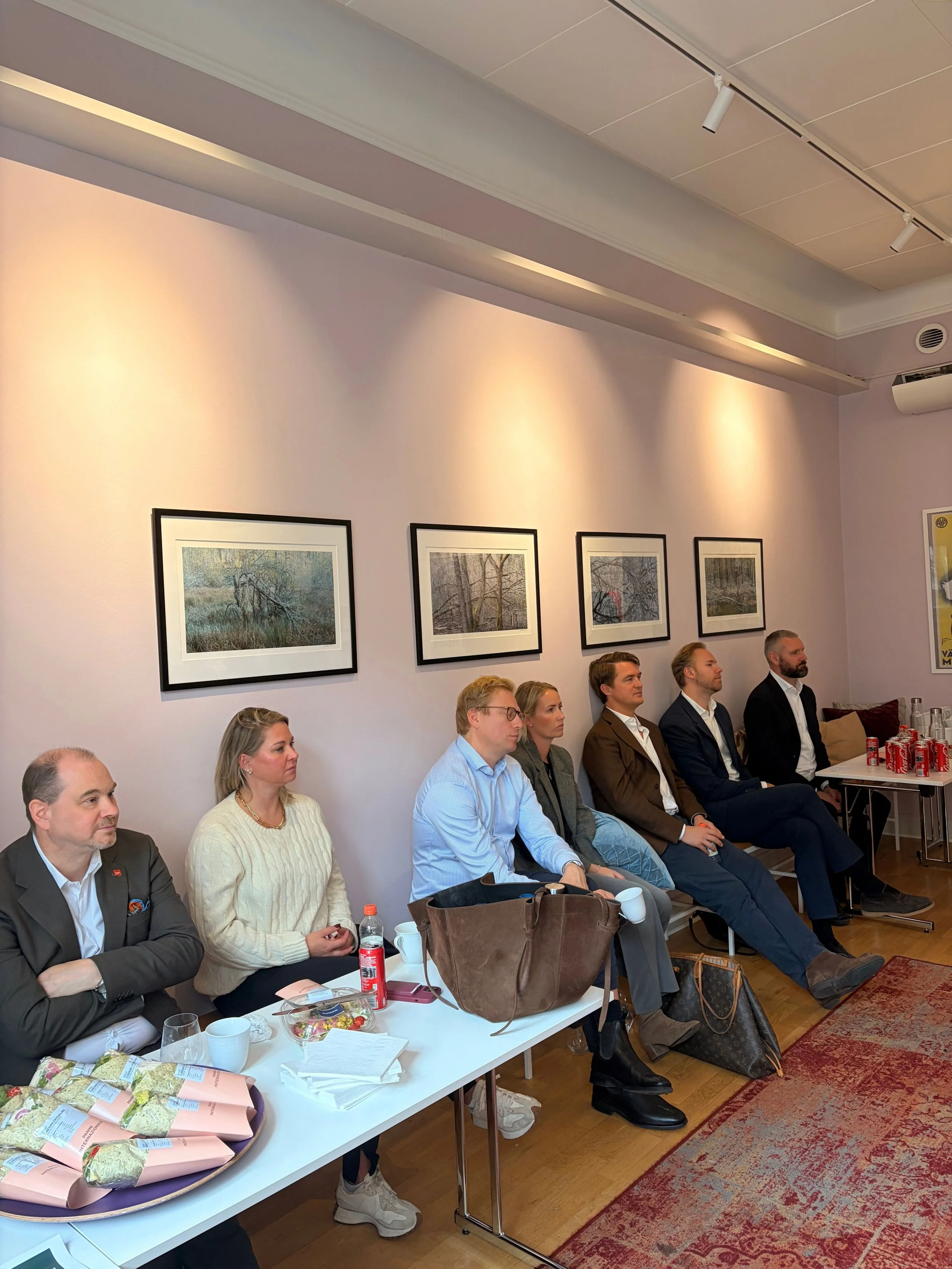
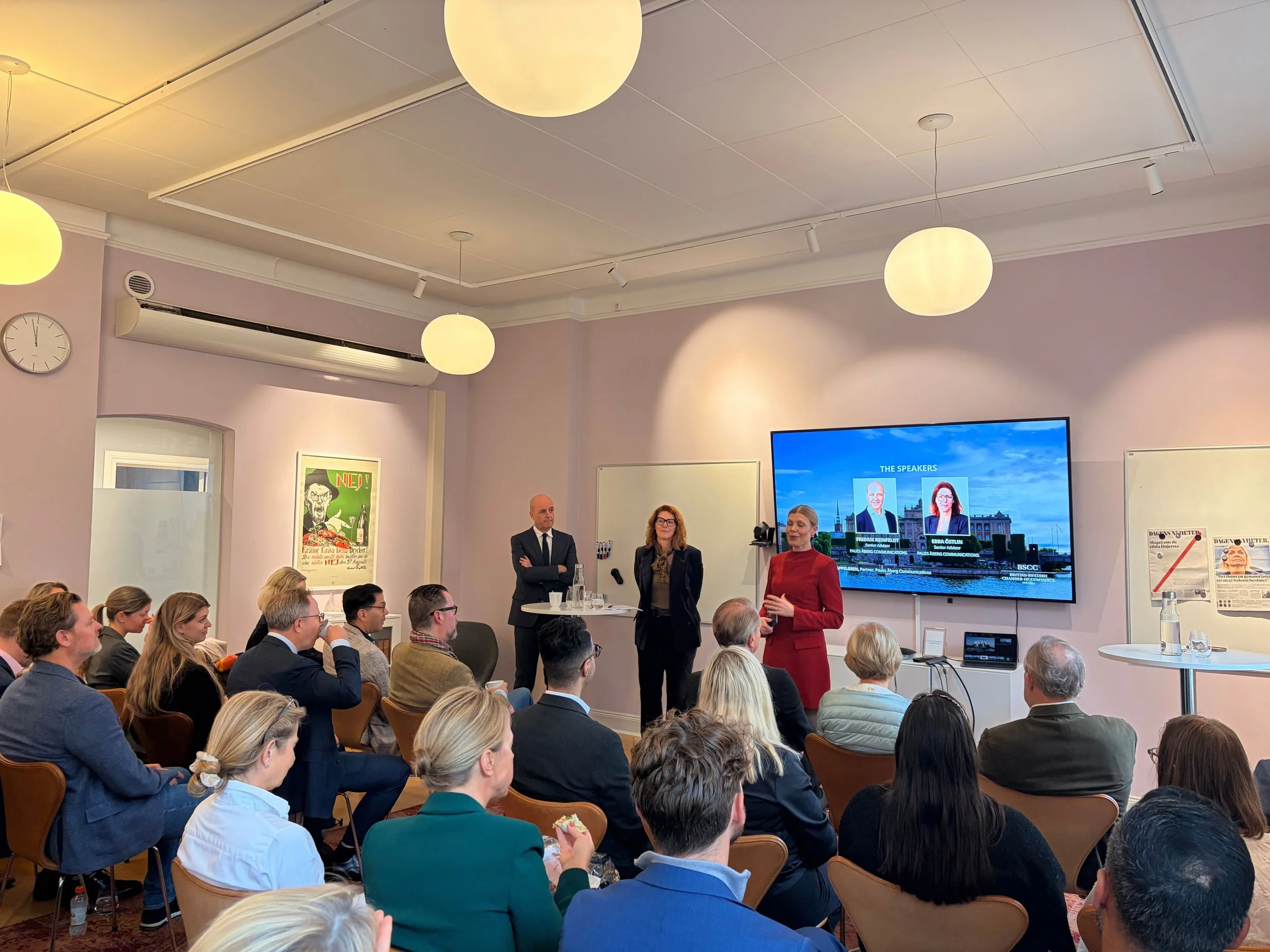
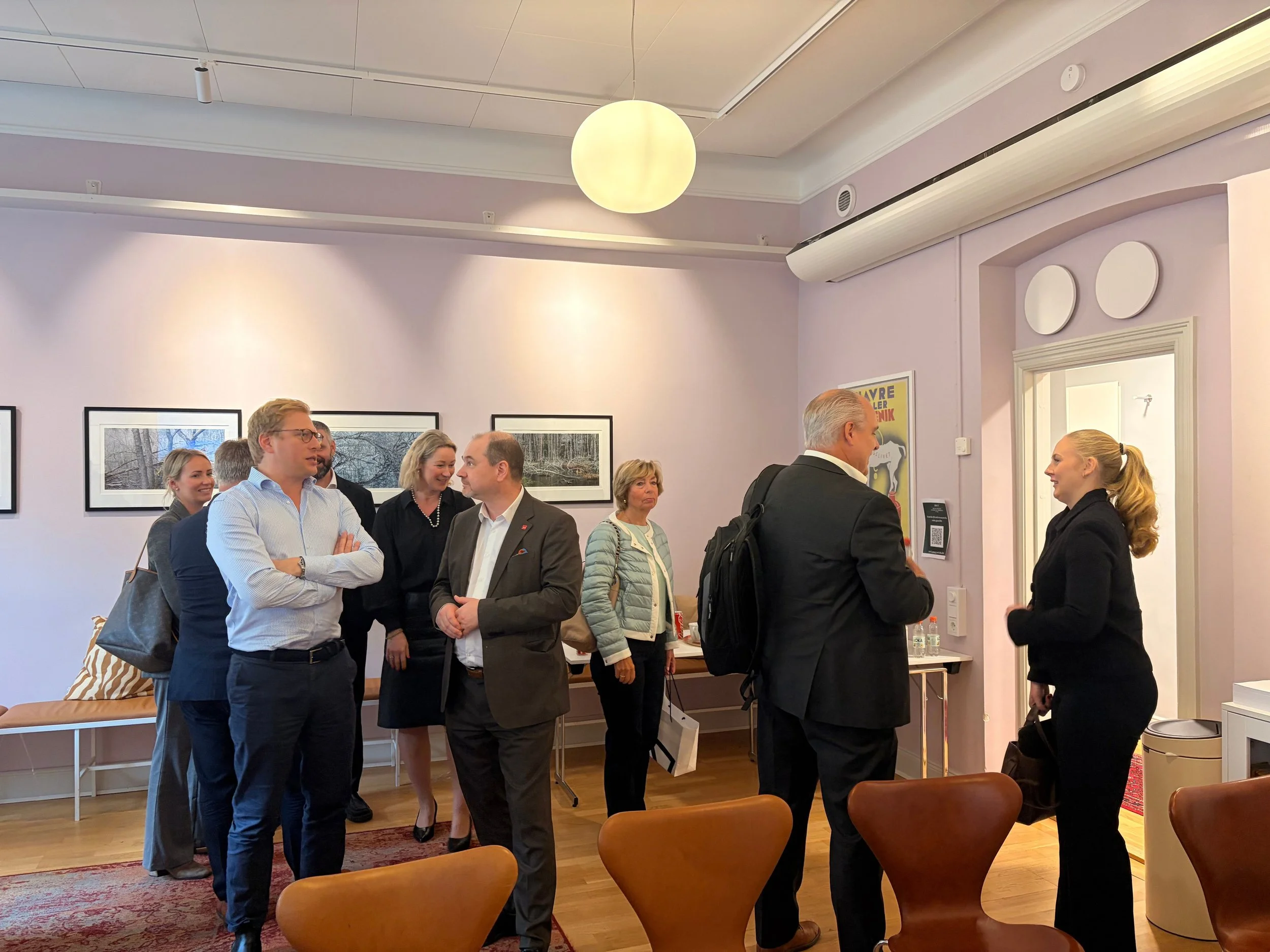
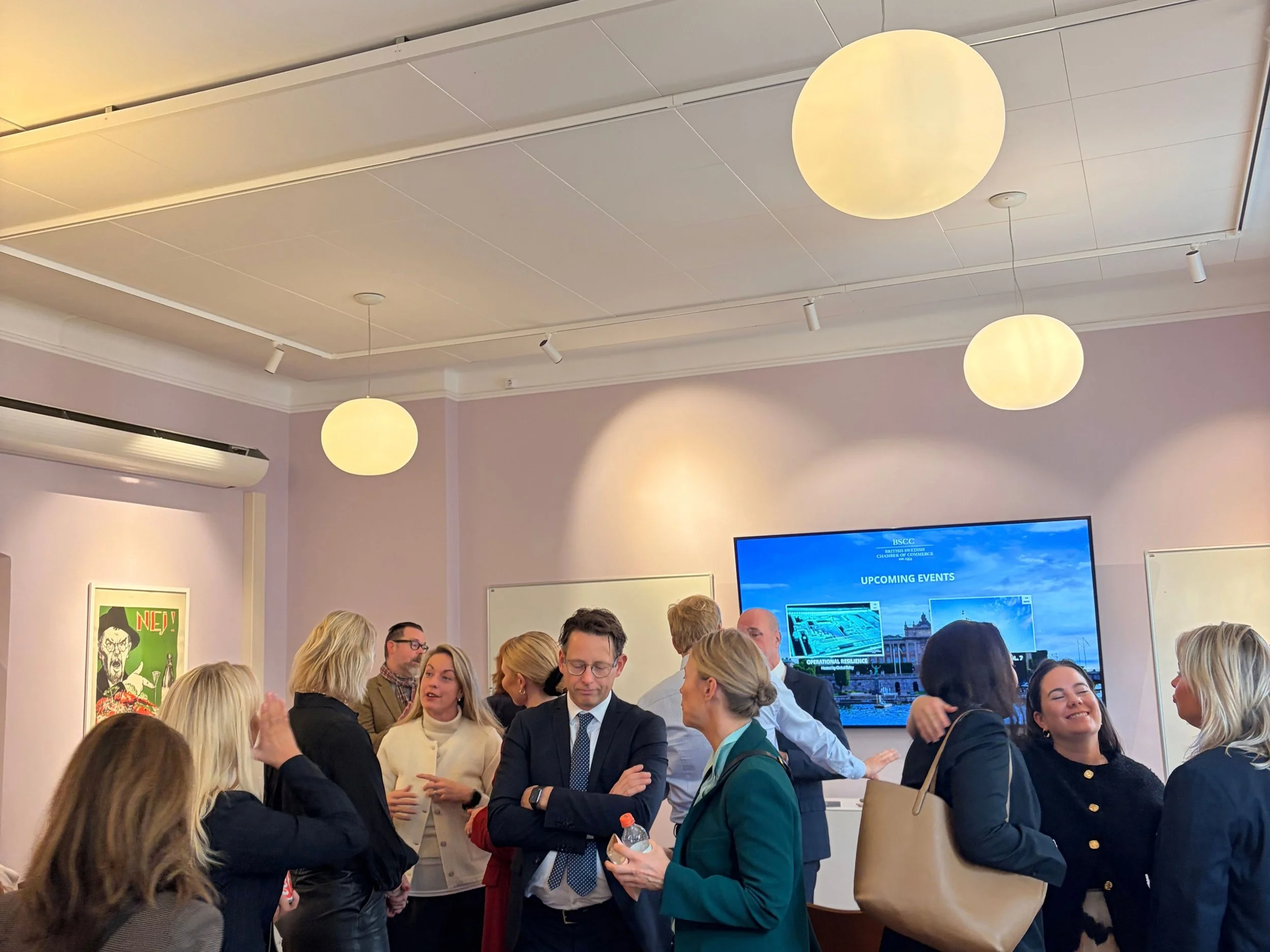
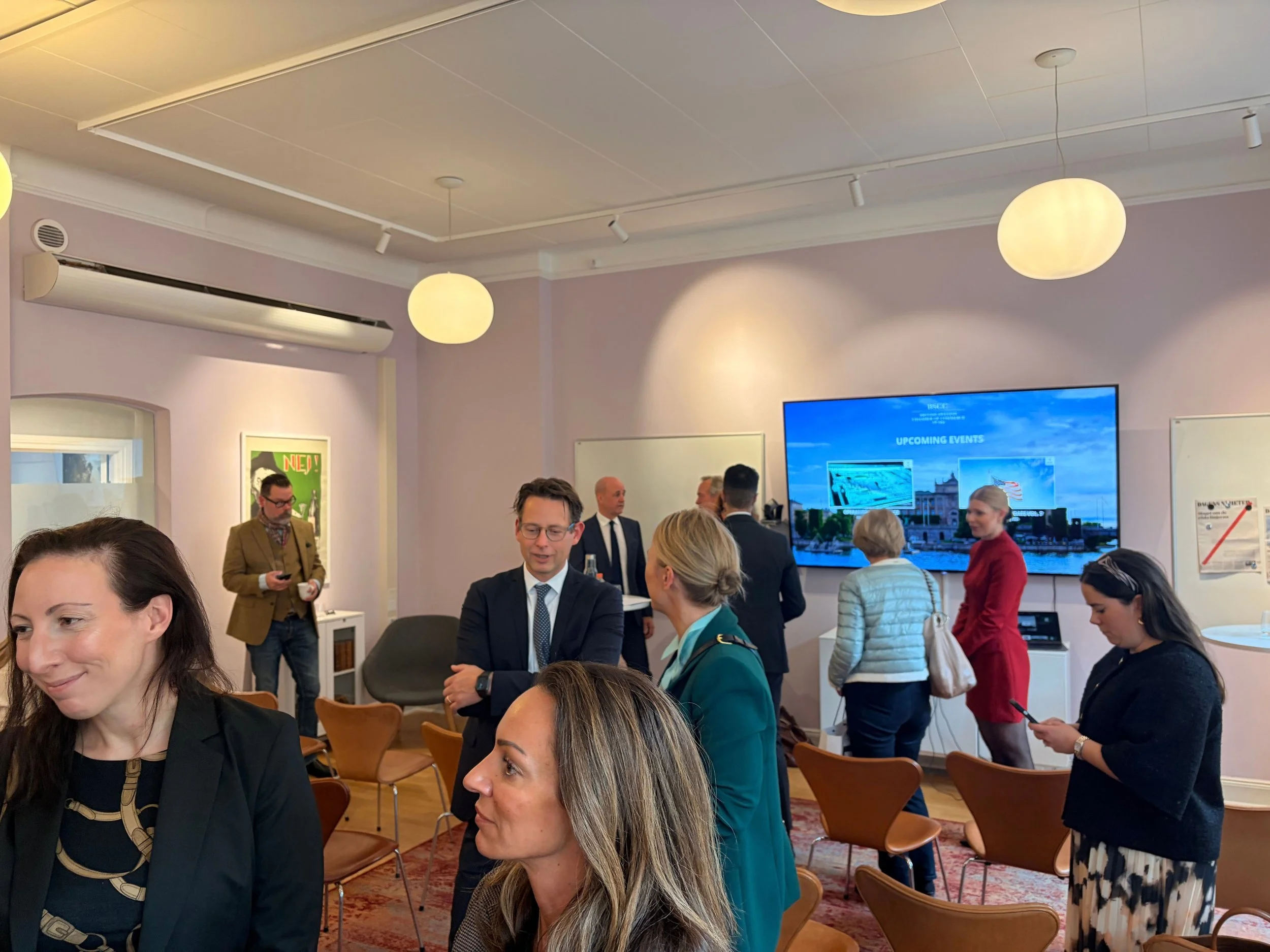
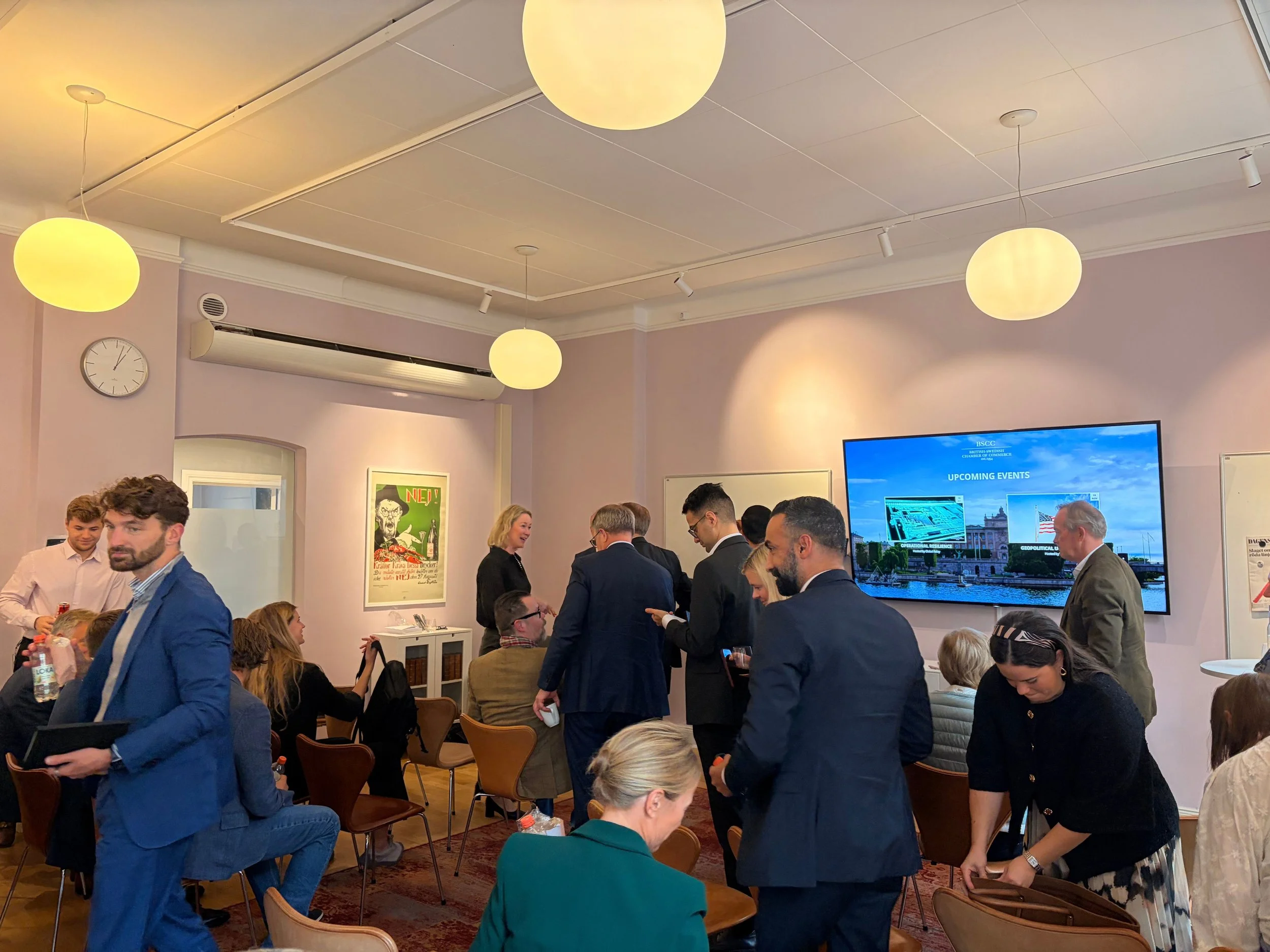
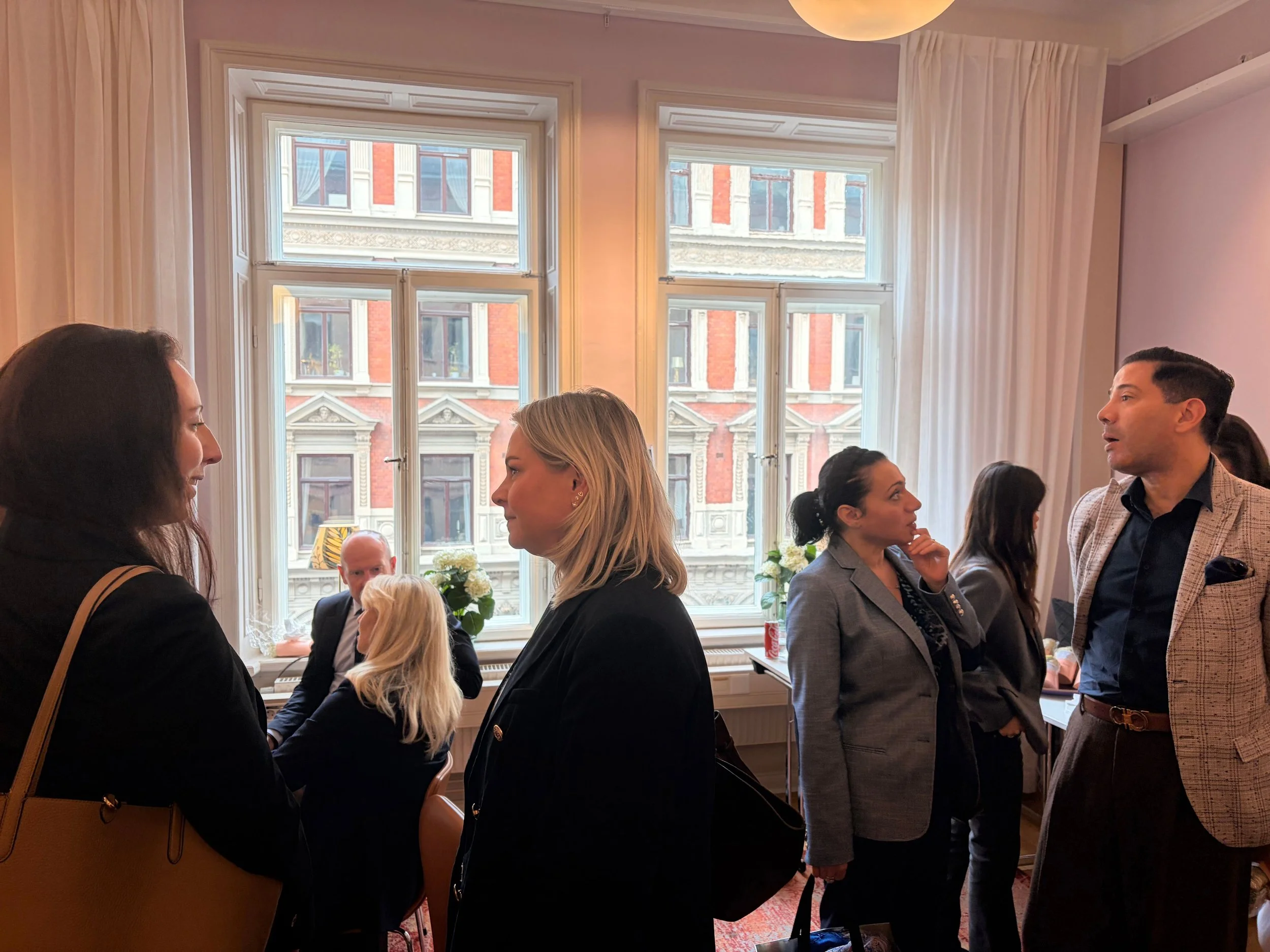
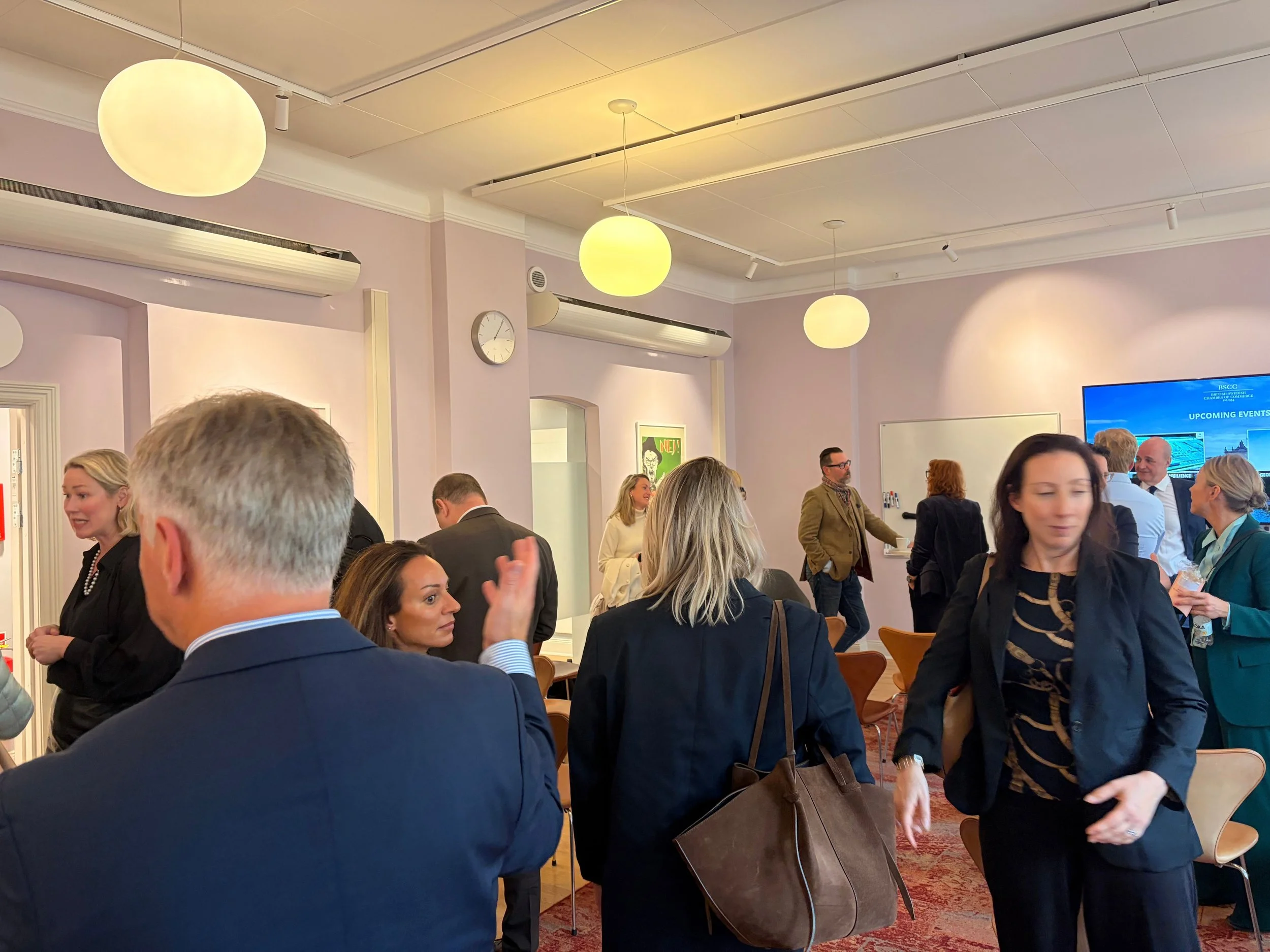
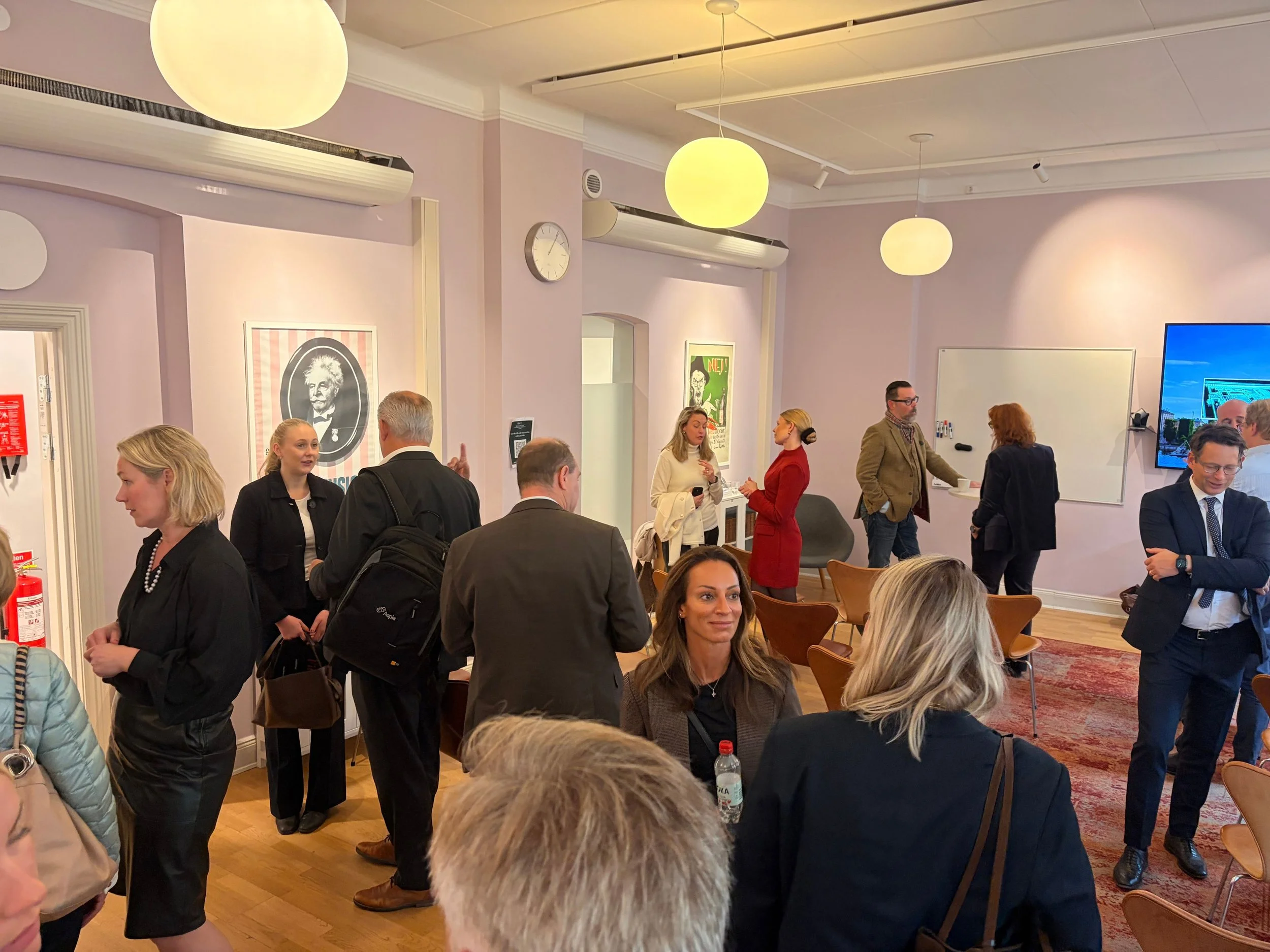
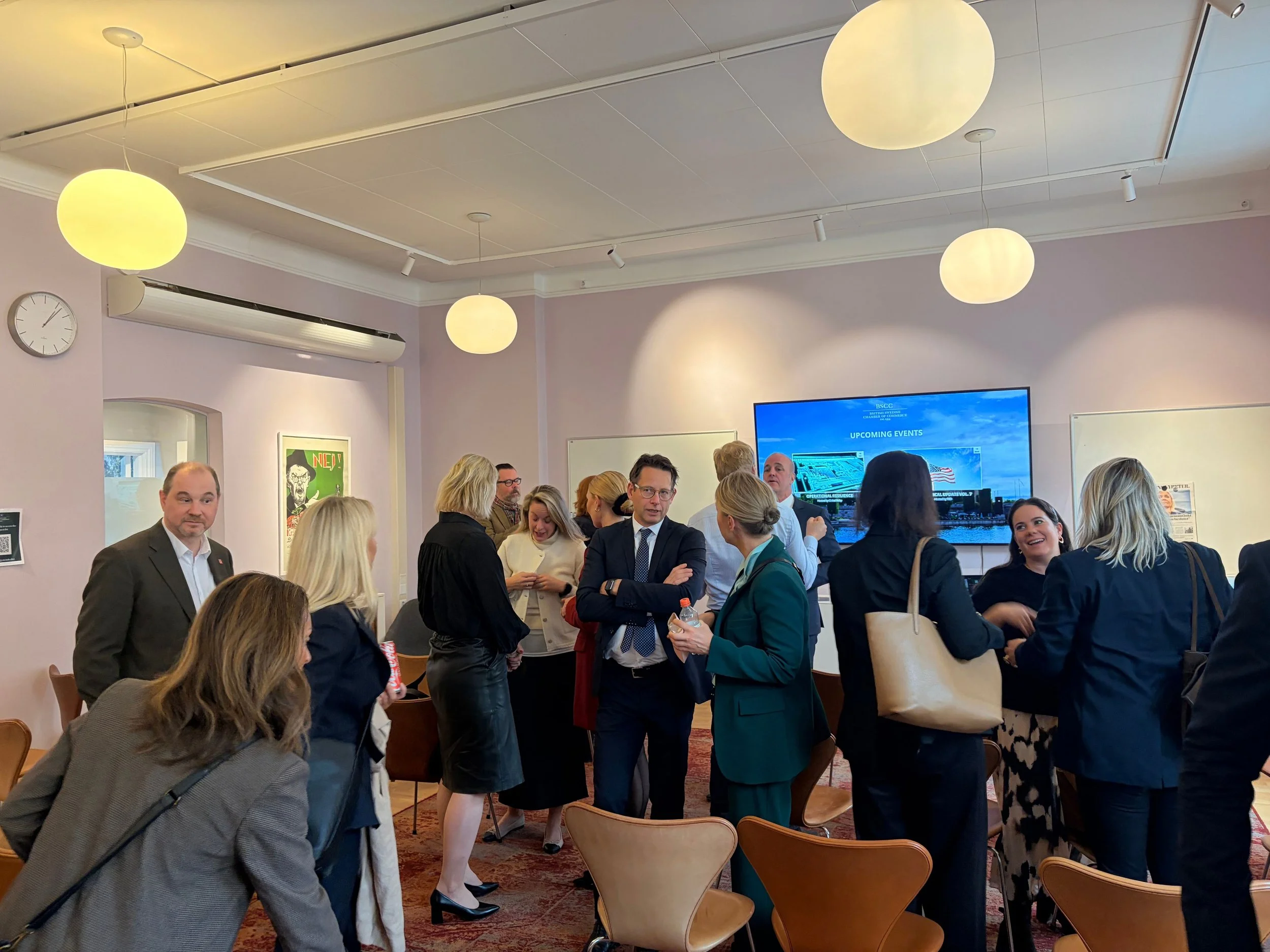
On the 30 September, we were delighted to welcome our members to a lunch seminar, hosted by Paues Åberg Communications, exploring how Sweden's new political landscape may shape the country's business environment.
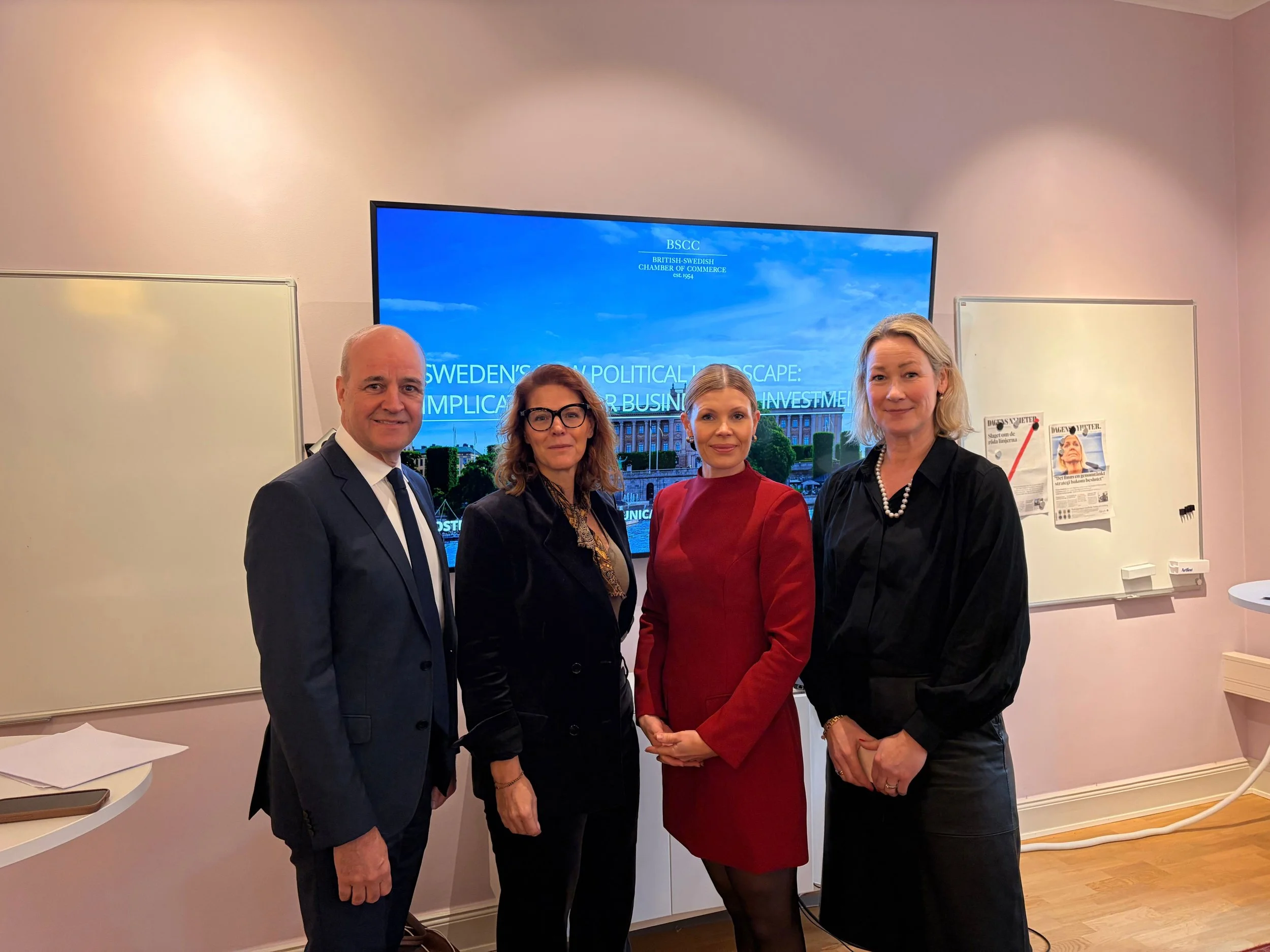
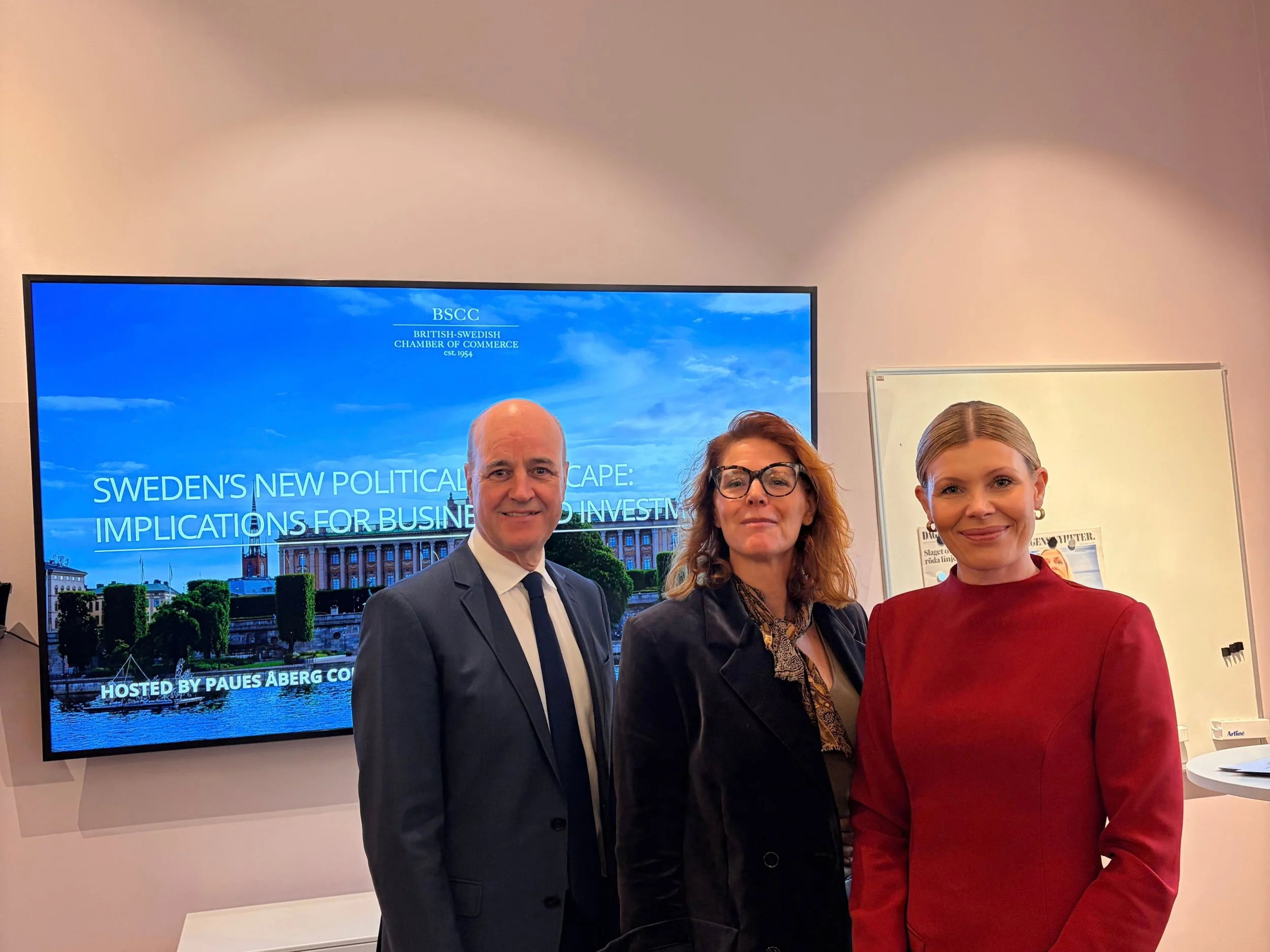
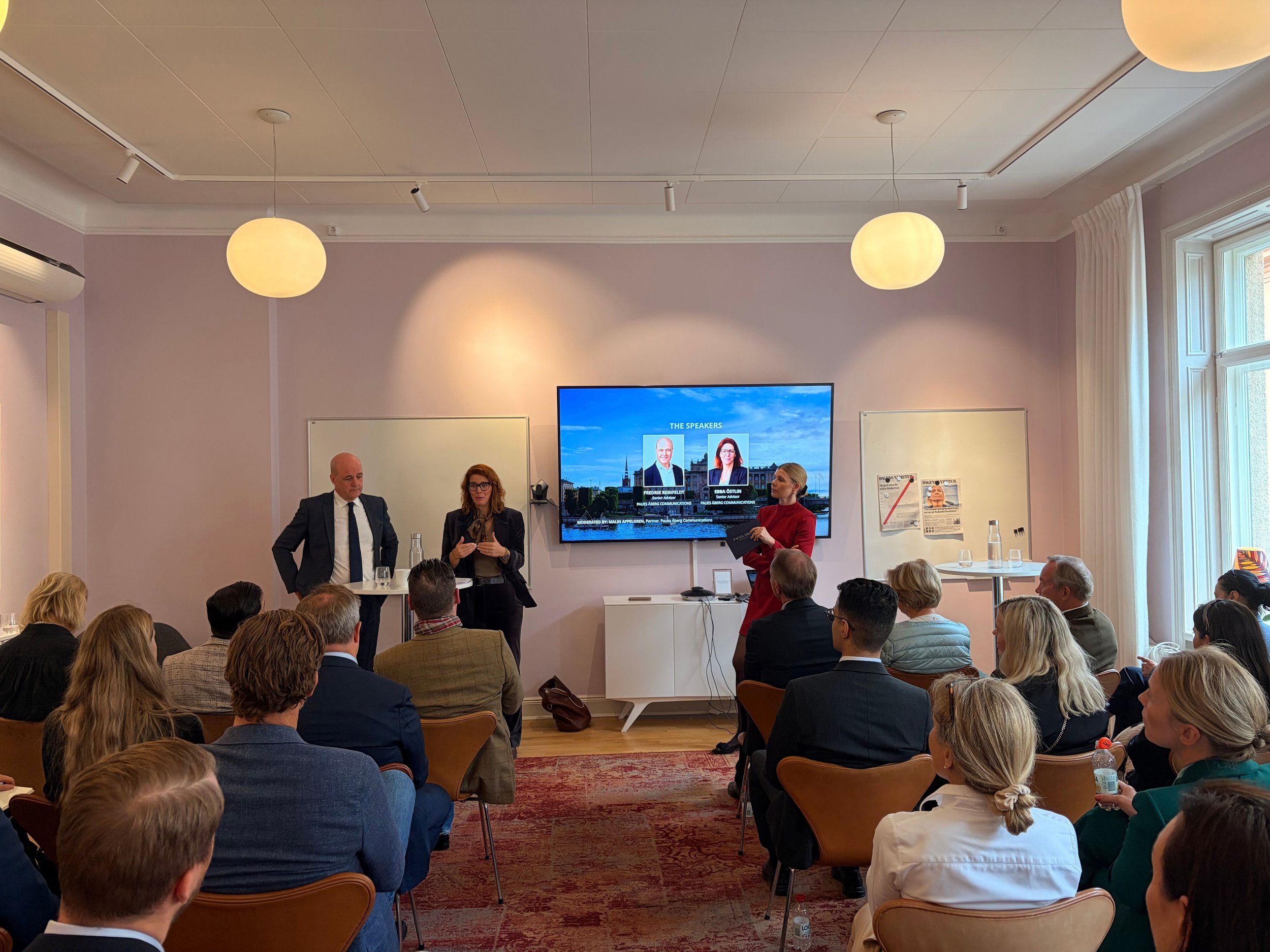
We had the privilege of listening to two highly experienced political advisors with perspectives from across the political spectrum: Fredrik Reinfeldt, Senior Advisor at Paues Åberg Communications and former Prime Minister of Sweden, and Ebba Östlin, Senior Advisor at Paues Åberg Communications, former leader of the Botkyrka Municipal Board, and senior Social Democratic politician. The seminar was moderated by Malin Appelgren, Partner at Paues Åberg.
The seminar began with a discussion on whether Sweden is moving closer to forming a new government. Both Fredrik and Ebba expressed the view that an extra election could be avoided, while emphasising that significant compromises may be required. They highlighted the need for parties to reconsider some of their established positions in order to find a way forward in Sweden’s complex political landscape.
The conversation then turned to economic governance and proposed financial policies, including the likelihood of their implementation and potential effects on the Swedish economy. Climate policy was also discussed, with the speakers exploring how industrial investment and climate action may need to be connected depending on the composition and priorities of the next government. On defence, both speakers agreed that Sweden is likely to continue along its current path regardless of the government in office, highlighting Sweden’s position as one of Europe’s leading countries in defence development and spending.
The discussion ended with two questions: firstly, the speakers were asked which political development they will be monitoring most closely and secondly, what they are most optimistic about. On the political developments to watch, Fredrik highlighted the different possible coalition constellations and the potential for a period of political uncertainty. Ebba, meanwhile, pointed to upcoming policy negotiations and the possibility of new forms of political agreements, potentially drawing on the model of the Tidö Agreement. On what they are most optimistic about, both Fredrik and Ebba highlighted the opportunities for international investment in Sweden. They pointed to finance, technology, life sciences and defence, among other sectors, as areas where Sweden has strong potential for investment, innovation and continued development.
We extend our sincere thanks to our speakers, Fredrik Reinfeldt and Ebba Östlin, for an insightful discussion, to Malin Appelgren for moderating the conversation, and to our generous host, Paues Åberg Communications, for welcoming us. We also thank all our members who attended and contributed thoughtful and engaging questions.