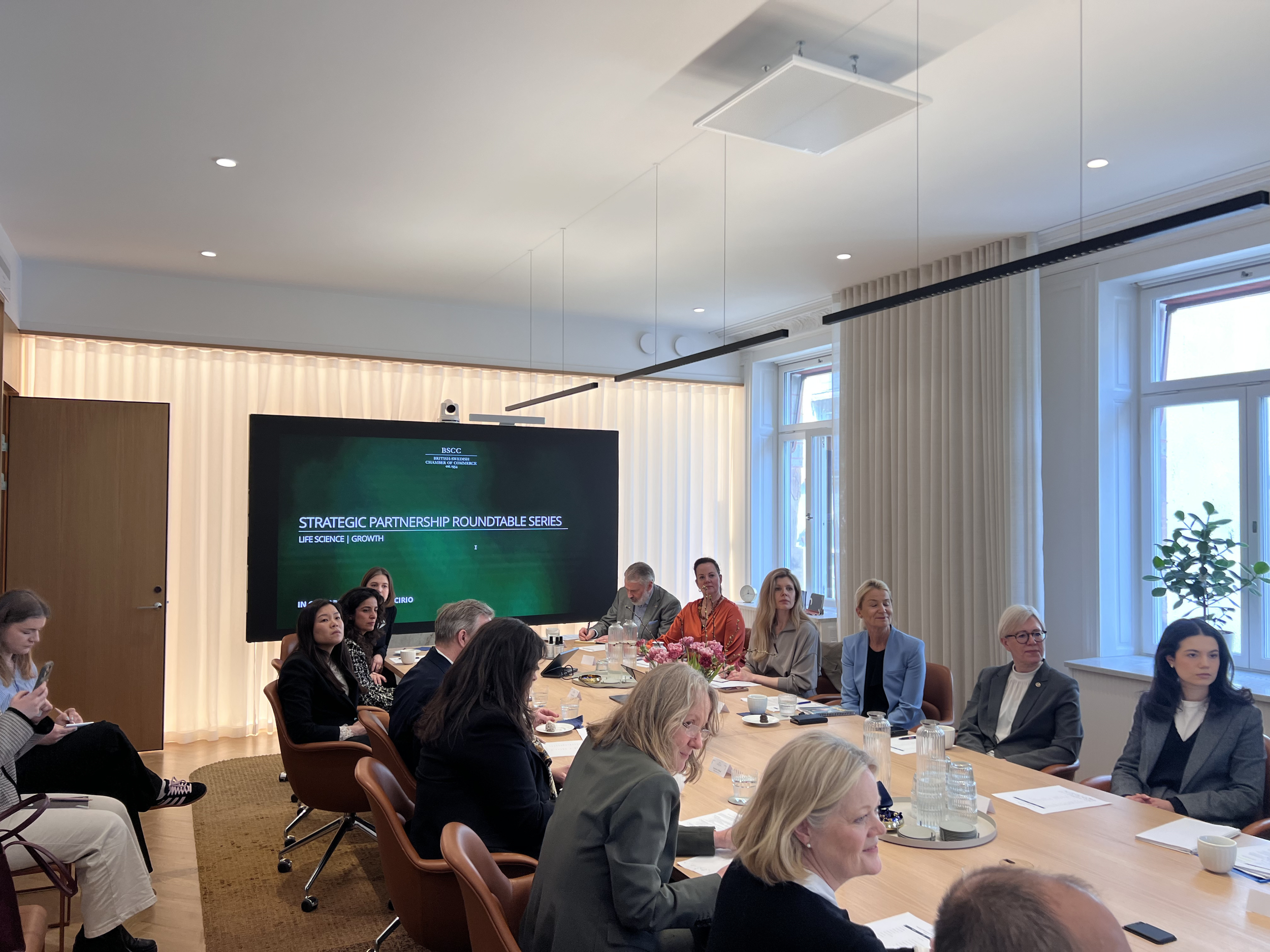
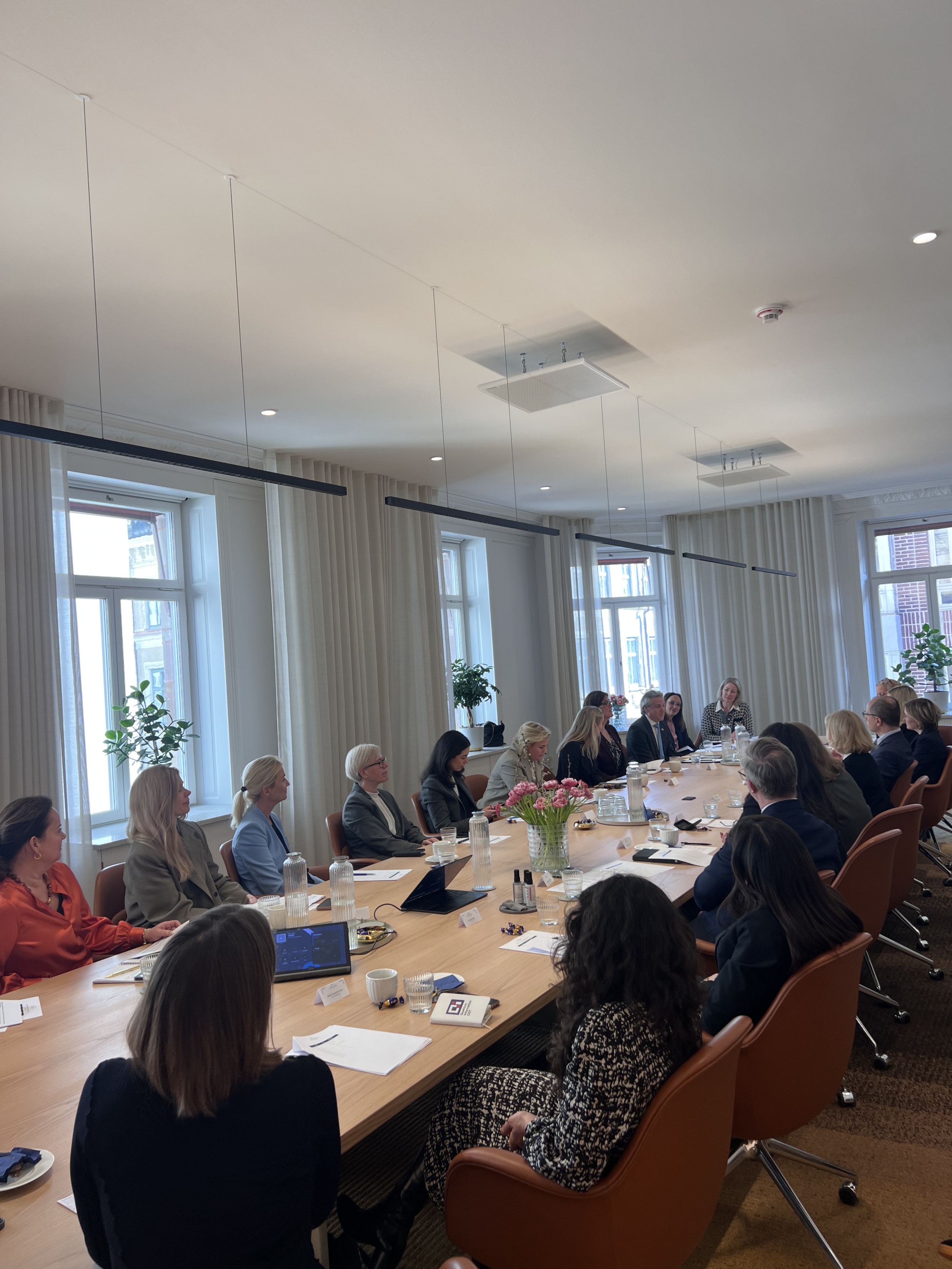
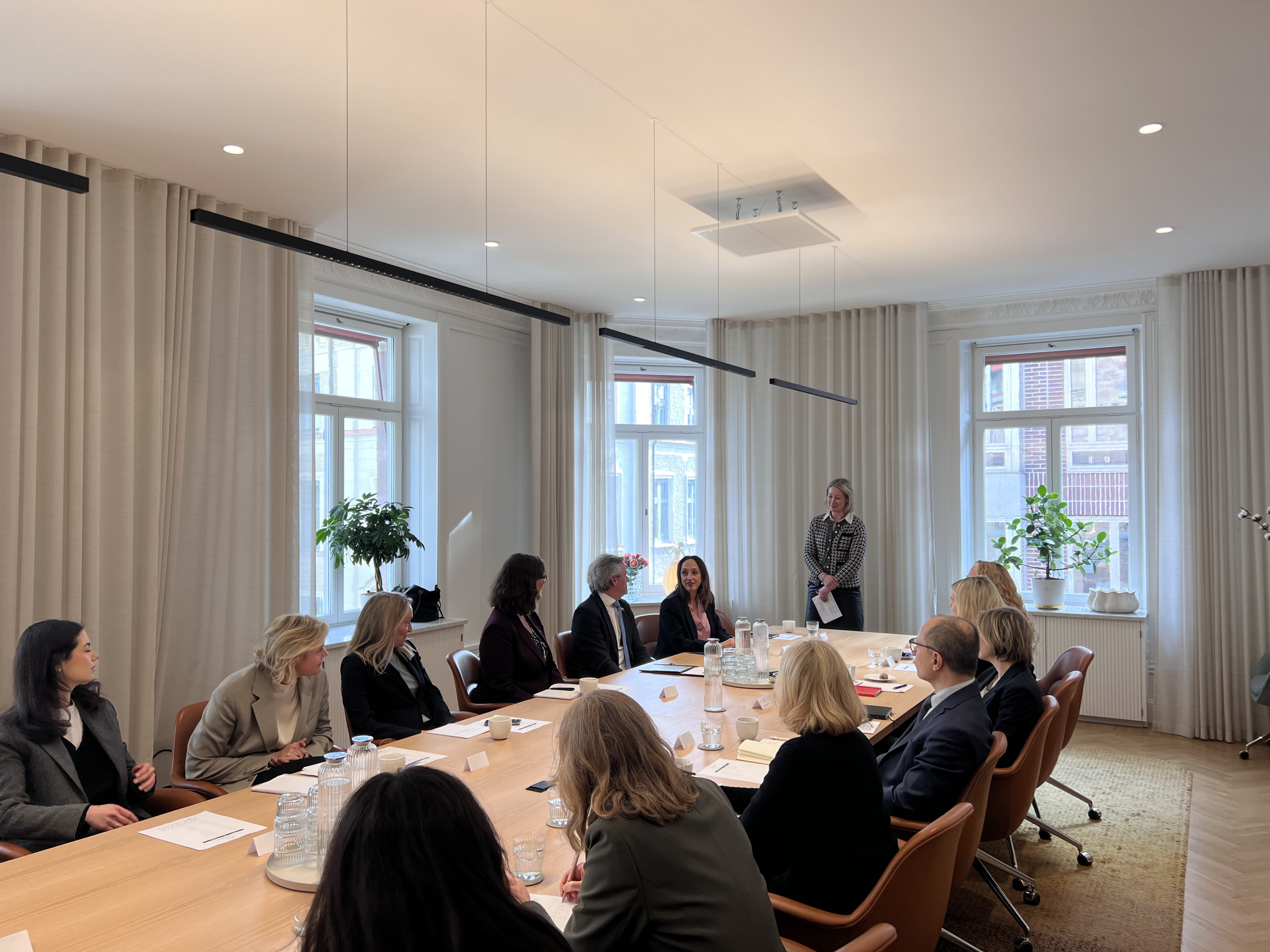
On march 12, we were delighted to host our second Life Science roundtable as part of the Strategic Partnership Roundtable Series, this time focused on growth. Our keynote speakers included Samantha Job British Ambassador to Sweden, Carolina Lindholm, State Secretary to the Minister of Finance and Aida Birinxhiku, Member of the Riksdag. We were also joined by stakeholders from the life science industry, policy organizations, and the broader innovation ecosystem.
The discussion focused on the strategic importance of the life sciences sector for innovation, economic growth, and healthcare resilience. Participants highlighted the sector’s role as a driver of research, high-value employment, and technological development, while also contributing to improved health outcomes.
A key theme was how geopolitical developments and global trade dynamics are increasingly shaping the life sciences landscape. While uncertainty in global markets can affect investment decisions, the sector has remained relatively resilient due to its long-term research cycles and critical role in healthcare systems.
Participants emphasized the need for strong national strategies and long-term policy frameworks to maintain competitiveness in life sciences. Examples from other countries illustrated how sustained public and private investment, combined with clear policy direction, can strengthen domestic research capacity and attract international investment in areas such as biopharmaceutical production and advanced therapies.
The conversation also highlighted the importance of transatlantic collaboration in research, regulation, and trade, particularly between Europe, the United Kingdom, and the United States. Maintaining open cooperation was seen as critical for supporting innovation and ensuring access to global markets.
Several participants also raised challenges related to regulatory complexity, data access, and fragmented health systems, noting that these factors can slow innovation and the adoption of new medical technologies. Strengthening health data infrastructure and improving collaboration between healthcare systems, industry, and research institutions were identified as important priorities.
Finally, the discussion highlighted women’s health as an area with significant untapped potential, both from a healthcare and economic perspective. Increased research investment, improved data standards, and stronger policy attention were seen as important steps toward addressing current gaps.
Participants concluded that continued collaboration between industry, policymakers, and international partners will be essential to ensure that the life sciences sector remains competitive and continues to drive innovation and better health outcomes.
We are grateful for the engaging dialogues that took place and look forward to fostering further collaboration in not only the Life Sciences sector, but in all areas of the Strategic Partnership.
We would like to extend our gratitude to Cirio for hosting us, to Jenni Nordborg for expertly moderating this roundtable, to our keynote speakers and participants for sharing their expertise.